
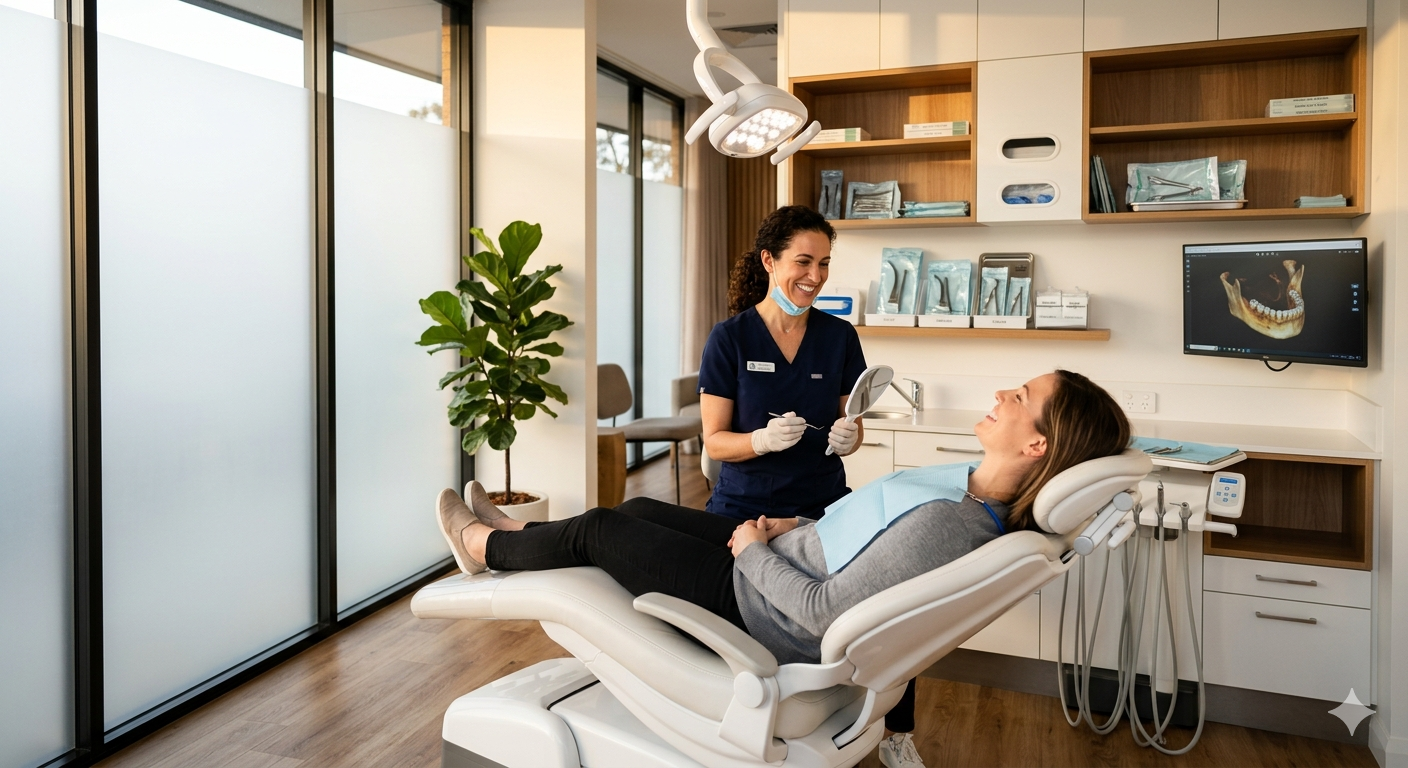
If someone in Vacaville worries about wisdom teeth pain or planning removal, this article guides them through what to expect and how to choose a confident, comfortable dental team. You’ll learn why removal matters, how modern techniques reduce discomfort, and what personalized aftercare keeps healing on track.
If you need wisdom teeth removed in Vacaville, you can expect clearly explained options, modern extraction methods, and a care plan that prioritizes comfort and recovery.
They can use the following sections to compare practices, prepare for their appointment, and address common concerns so they feel informed and ready to take the next step.
Why Wisdom Teeth Need Removal
Many patients experience pain, infection, or crowding from wisdom teeth, and dental teams recommend removal when those problems threaten oral health or comfort. Timely evaluation and treatment reduce risk of harder surgeries later and protect adjacent teeth and gums.
Common Signs and Symptoms
Pain near the back molars often signals a wisdom tooth problem. The pain may be dull and constant or sharp when biting; it can radiate to the jaw, ear, or temple.
Swelling and redness of the gum behind the second molar indicate local infection or irritation. Persistent bad breath or a bad taste in the mouth usually means trapped food and bacteria around a partially erupted tooth.
Difficulty opening the mouth, bleeding gums, and recurrent gum infections are common complaints. Dentists also note shifting teeth, pressure, and recurring headaches as symptoms that prompt imaging and extraction recommendations.
Impacted Wisdom Teeth Overview
An impacted wisdom tooth cannot fully erupt due to lack of space or abnormal angle. It may be trapped beneath gum tissue, within bone, or tilted toward adjacent teeth.
Dentists classify impaction as soft-tissue, partial bony, or full bony, which guides treatment complexity. Partially erupted teeth create pockets where bacteria accumulate, raising infection risk and making cleaning difficult.
X-rays and sometimes 3D cone-beam scans help determine position, root development, and nerve proximity. Earlier removal when roots are less developed often shortens surgery time and lowers complication risks.
Potential Oral Health Risks
Untreated problematic wisdom teeth can cause decay on the wisdom tooth itself or on the adjacent second molar. Food impaction and poor access for brushing lead to cavities that may require fillings or root canals.
Chronic pericoronitis—recurrent gum infection around a partially erupted tooth—produces pain, swelling, and systemic symptoms like fever. Repeated infections can damage bone and soft tissue.
Impacted teeth can contribute to cysts or rare tumors, and may exert pressure that shifts nearby teeth, worsening crowding or compromising orthodontic results. Nerve injury and dry socket are possible post-extraction risks; surgeons minimize these with careful planning and modern anesthesia.
If questions remain about symptoms, imaging, or sedation options, contact the dental office to schedule an evaluation or ask about pain-management strategies.
What to Expect During Your Appointment
The visit typically includes an initial evaluation, imaging to assess tooth position, and a clear discussion of anesthesia and next steps. Staff will explain costs, timing, and recovery so the patient knows what to expect.
Consultation and Diagnostics
The dentist or oral surgeon will review medical history and current medications to avoid complications with sedation or healing. They will ask about symptoms such as pain, swelling, bite changes, or recurrent infections to establish urgency.
A panoramic X-ray or cone-beam CT scan shows the third molars’ position relative to nerves and sinuses. Imaging reveals impaction level, root shape, and proximity to the inferior alveolar nerve — details that determine risk and technique.
They will perform a focused oral exam: gum health, nearby teeth condition, and signs of active infection. Vital signs may be taken if sedation is planned. Patients should bring a list of medications and any prior imaging or surgical notes.
Treatment Planning
After diagnostics, the clinician explains whether extraction is simple or surgical and which anesthesia option fits the patient: local, nitrous oxide, oral sedation, or IV sedation. They will outline expected time in the office and post-op recovery for each option.
A step-by-step plan covers incision, bone removal if needed, tooth sectioning, and closure with sutures. The provider will discuss nerve-protection strategies and alternative approaches if roots lie close to the nerve.
Staff will present a written estimate of costs, insurance coverage, and any required pre-op instructions such as fasting or arranging a ride. They will schedule the procedure and give printed preoperative and postoperative instructions tailored to the chosen anesthesia.
Meeting Your Dental Team
Patients will meet the surgeon, dental assistant, and sedation nurse (if applicable) before treatment. The surgeon will review the consent form, answer questions, and confirm the anesthesia plan to ensure the patient feels comfortable and informed.
The team explains monitoring during the procedure: blood pressure, heart rate, and oxygen levels, plus what the patient will feel under each anesthesia type. A staff member will review post-op supplies included in the care package, such as gauze, prescriptions, and emergency contact details.
The office will confirm logistical details: arrival time, ride home, and follow-up appointment for suture removal or check. They encourage questions and will often provide a single-page aftercare checklist to make recovery simpler.
Modern Extraction Techniques
This section explains how contemporary extractions prioritize patient comfort, minimize tissue trauma, and use technology to speed healing. It highlights comfort-focused approaches, the specific devices clinicians use, and the sedation choices available for different anxiety and medical profiles.
Comfort-Focused Approaches
Dentists and oral surgeons focus on preserving nearby bone and gum tissue during extractions. They use gentle instruments and techniques such as sectioning multi-rooted teeth and controlled forceps elevation to remove wisdom teeth without excessive pressure. This reduces swelling, bleeding, and postoperative pain.
Providers often place resorbable sutures and apply localized hemostatic agents to support clot formation and wound stability. They give clear, written aftercare instructions—ice protocols, soft-food timelines, and guided oral rinses—to lower the risk of dry socket and infection. For anxious patients, clinicians combine topical anesthetic gels with infiltration blocks to numb thoroughly before any instrument contacts sensitive tissue.
Advanced Technology in Use
Cone-beam CT (CBCT) scans guide extractions when roots are near the inferior alveolar nerve or maxillary sinus. CBCT provides three-dimensional views so the surgeon plans sectioning lines and bone removal precisely, which lowers nerve-injury risk. Digital imaging also helps estimate root morphology and surgical time.
Ultrasonic piezosurgery devices cut bone with micrometric precision while sparing soft tissue, reducing postoperative swelling and promoting faster healing compared with traditional rotary burs in many cases. High-speed suction and surgical microscopes improve visualization and field control. Practices increasingly use sterilized, single-use instruments for elements like suction tips and retractors to reduce cross-contamination risk.
Sedation and Anesthesia Options
Local anesthetic nerve blocks remain the foundation for pain control in most extractions. Providers commonly use articaine or lidocaine with epinephrine for predictable numbness lasting through the procedure and early recovery. They confirm anesthesia with sensory testing before beginning.
For patients with moderate to severe anxiety, nitrous oxide (laughing gas) provides conscious sedation with rapid onset and recovery. Oral sedatives—usually short-acting benzodiazepines—help for planned outpatient cases but require escort home. Intravenous (IV) sedation or general anesthesia suits complex surgeries or patients with special needs; these require monitoring, ACLS-trained staff, and facility accreditation. The clinician reviews medical history, coordinates with an anesthesiologist when needed, and explains fasting and post-op instructions before selecting a method.
Personalized Aftercare and Recovery
This section outlines practical steps, common comfort measures, and specific food choices to support healing after wisdom tooth removal in Vacaville. It focuses on timing, wound care, pain control, and safe eating to reduce complications and speed recovery.
Step-by-Step Healing Guide
Day 0–1: Expect moderate bleeding and swelling. Bite on gauze for 30–45 minutes, replace as needed, and keep the head elevated while resting to reduce bleeding and swelling. Use prescribed pain medication on schedule for the first 24–48 hours; take NSAIDs like ibuprofen unless contraindicated.
Day 2–3: Swelling peaks then begins to subside. Start gentle salt-water rinses (½ teaspoon salt in 8 ounces warm water) after 24 hours, 3–4 times daily, to keep sockets clean. Avoid spitting, using straws, or smoking—these actions can dislodge clots and cause dry socket.
Day 4–7: Sutures may feel tight; they often dissolve on their own. Pain and swelling should noticeably improve. Gradually reintroduce more vigorous oral hygiene, brushing teeth gently near extraction sites and continuing rinses.
Weeks 2–4: Most soft-tissue healing completes; numbness usually resolves if present. Follow any follow-up appointment instructions for X-rays or suture checks. Contact the clinic immediately for severe pain unrelieved by meds, persistent bleeding, high fever, or signs of infection.
Common Recovery Tips
Apply a cold pack to the cheek in 20-minute on/off cycles for the first 48 hours to limit swelling. After 48 hours, switch to warm compresses to encourage circulation and healing. Use a pillow to keep the head elevated for 48–72 hours to reduce throbbing.
Follow medication directions exactly: antibiotics should be finished completely, and opioids used only as directed for breakthrough pain. Keep activity light for at least 48–72 hours; avoid heavy lifting and strenuous exercise for one week. Maintain hydration with small, frequent sips and avoid carbonated or alcoholic beverages until fully healed.
Watch for warning signs: increasing severe pain after 3–5 days, foul taste or odor, visible pus, or spreading facial swelling require prompt evaluation. Keep a short list of emergency contacts and the dental office phone number handy.
Foods to Enjoy and Avoid
Safe choices: smoothies, yogurt, mashed potatoes, applesauce, scrambled eggs, and well-blended soups. Choose lukewarm or cool temperatures to avoid irritating the extraction site. Cut solids into small pieces and chew away from the surgical area as healing progresses.
Foods to avoid for at least 7–10 days: nuts, popcorn, seeds, chips, and sticky candies that can get lodged in sockets. Hard or chewy meats, crusty bread, and raw vegetables risk tearing tissue or dislodging clots. Also avoid hot spicy foods and acidic drinks that can sting and slow tissue repair.
Sample 3-day meal plan (soft foods):
- Breakfast: Greek yogurt with mashed banana
- Lunch: Pureed vegetable soup and soft bread (chew away from site)
- Dinner: Mashed sweet potato and flaked, tender fish
Reintroduce firmer textures gradually, listening to pain cues and following the dentist’s timeline.
Choosing the Right Dental Practice in Vacaville
Patients should look for experienced clinicians, clear pricing, modern facilities, and strong patient support when selecting a practice. Proximity, emergency availability, and verified patient reviews also matter for convenience and peace of mind.
Qualities of a Great Oral Surgeon
A great oral surgeon in Vacaville will hold board certification or fellowship in oral and maxillofacial surgery and list years of experience performing third-molar extractions. They should provide before-and-after case photos and implant or extraction complication rates upon request.
Clinical setup matters: on-site digital X-ray/CBCT, monitored sedation (oral, nitrous oxide, IV) with ACLS-trained staff, and hospital affiliations for complex cases. Transparent estimates that itemize fees for surgeon, anesthesia, and facility reduce billing surprises.
Communication skills count. The surgeon should explain risks like dry socket and nerve injury in plain language, outline recovery timelines, and offer written post-op instructions. Clear channels for post-op questions (phone, patient portal) indicate reliable follow-up care.
What Sets Local Providers Apart
Local Vacaville practices vary in scope and atmosphere. Some are small private offices where the same team handles consult, surgery, and follow-up; others are multi-provider centers with specialists for complex cases. Patients preferring continuity often choose smaller practices; those wanting broader resources may opt for larger centers.
Look for community engagement: practices that participate in local health events, accept common insurance plans, and host sedation-safety certifications often invest in patient trust. Office hours that include early mornings or Saturdays and an on-call system for weekend emergencies improve access.
Compare credential transparency, technology, and patient education offerings side-by-side. Ask whether the practice uses 3D imaging for impacted wisdom teeth, employs local anesthesia with supplemental sedation, or provides concierge services for anxious patients.
Patient Experience and Support
A supportive practice begins with the administrative experience: clear scheduling, pre-op instructions by email or text, and assistance verifying insurance benefits. Staff who walk patients through paperwork and financial options reduce pre-surgery stress.
During the visit, comfortable amenities—warm blankets, noise-cancelling headphones, and calm operatory lighting—help nervous patients relax. Practices that measure patient pain and satisfaction after surgery and promptly respond to complications demonstrate quality care.
Post-op support should include same-day phone check-ins, written care plans, and easy prescriptions when needed. For pediatric or anxious adult patients, a clear sedation consent process and recovery monitoring plan reassure families and caregivers.
Long-Term Oral Health After Removal
After wisdom tooth extraction, patients can expect reduced pain from overcrowding, lower infection risk, and improved ability to clean the back teeth. Proper follow-up, good oral hygiene, and routine dental visits preserve these benefits and help detect issues early.
Preventing Future Problems
Dentists recommend a follow-up visit about one week after surgery to check healing, remove sutures if needed, and confirm there’s no dry socket or infection. If X-rays showed impacted roots or nearby anatomical concerns, periodic radiographs every 1–3 years may be advised to monitor adjacent second molars and bone levels.
Patients should report persistent numbness, increasing swelling after 48–72 hours, or a bad taste that suggests infection. For smokers, quitting or avoiding tobacco for at least two weeks after surgery greatly reduces dry socket risk. Those with compromised immunity or diabetes should maintain medical follow-up; clinicians may prescribe antibiotics or adjust care plans to prevent complications.
Maintaining Healthy Smiles
Daily oral hygiene makes the biggest long-term difference: brush twice with a soft brush, floss once daily, and use an antimicrobial rinse if recommended. Start gentle rinsing 24 hours after surgery with warm salt water, progressing to regular brushing around the surgical site as healing permits to prevent food trapping and plaque buildup.
Regular dental cleanings every 3–6 months based on risk factors help prevent gum disease around molars. If teeth shifted before extraction, orthodontic follow-up or a retainer may be suggested to maintain alignment. For questions about pain, healing, or cosmetic concerns, patients should contact their dentist promptly to arrange an exam or imaging.
Addressing Patient Concerns and Comfort
Patients often worry about pain and recovery. The dental team explains anesthesia options clearly — local numbing, sedation, or general anesthesia — so patients know what to expect and can choose what feels safest.
Staff focus on building trust with friendly explanations and step‑by‑step guidance. They describe the extraction process in simple terms, answer questions, and use models or images to show where and how the procedure happens.
Comfort measures begin before the procedure and continue through recovery. Warm blankets, noise-canceling headphones, and calming music help during treatment, while written aftercare instructions and follow‑up calls support healing at home.
Practical pain management is part of the plan. Providers recommend specific over‑the‑counter or prescription medications, explain dosing clearly, and suggest ice, rest, and dietary changes to reduce swelling and discomfort.
Many patients fear complications; clinics reduce that risk with careful assessment and modern techniques. Digital x‑rays, gentle surgical tools, and experienced clinicians lower trauma and speed recovery.
Questions about costs or insurance come up often. Offices offer transparent estimates, payment plans, and help with insurance claims so financial concerns don’t delay care.
Encourage readers to contact the office with any questions or to schedule a consultation. A brief call or visit can clarify options and create a personalized comfort plan.
Your Next Steps for Wisdom Teeth Care
After consultation and treatment planning, patients should follow the post-operative instructions provided by their Vacaville dental team. They will receive guidance on pain control, activity restrictions, and diet to promote healing and reduce complications.
Patients should schedule a follow-up visit within one to two weeks to check healing and remove any dissolvable or temporary materials if needed. If swelling, fever, or severe pain occurs, they must contact the clinic promptly for evaluation.
Maintain gentle oral hygiene starting the day after surgery; use a soft-bristled brush and rinse with a saline or prescribed mouthwash. Avoid vigorous spitting or using straws for the first week to prevent dry socket.
Use cold packs intermittently for the first 48 hours to reduce swelling, then switch to warm compresses if stiffness persists. Take pain medications exactly as directed; if prescribed antibiotics, finish the full course.
Return to normal diet gradually, beginning with soft foods like yogurt, mashed potatoes, and smoothies. Avoid hard, crunchy, or sticky foods until the surgical sites feel comfortable.
Keep a written list of prescribed medications, post-op instructions, and emergency contacts in a visible place at home. If any questions or unusual symptoms arise, patients are encouraged to call the Vacaville office — the dental team can offer advice, schedule a check, or arrange urgent care.
Frequently Asked Questions
This section answers practical concerns about signs that removal is needed, what happens during an extraction, anesthesia choices, costs and insurance in California, recovery expectations, and how to find a qualified provider near Alamo Drive in Vacaville.
How do I know if my wisdom teeth need to be removed, or if they can stay in place safely?
Dentists use dental X-rays and a clinical exam to assess tooth position, root development, and risk to adjacent teeth.
They look for impacted teeth, recurrent infections, cysts, crowding that affects orthodontic results, or decay that can’t be restored.
If wisdom teeth are fully erupted, healthy, and easy to clean, they may safely remain under regular monitoring.
If any of the risk factors above appear, removal is usually recommended to prevent future problems.
What can I expect during a wisdom tooth extraction appointment, from check-in to going home?
Patients check in and complete medical history forms, then the dentist or surgeon reviews X-rays and the extraction plan.
Staff discuss anesthesia choice, obtain consent, and review pre-op instructions such as fasting if sedation is planned.
During the procedure, local anesthesia is given, and additional sedation may be administered as planned; the extraction typically takes 20–60 minutes depending on complexity.
Afterward, staff monitor recovery, provide written post-op care instructions, pain medication if prescribed, and arrange a ride home for anyone who had sedation.
What are my options for numbing and sedation, and how do I choose what’s right for my comfort level?
Local anesthesia (numbing the area) is standard and effective for most extractions.
Nitrous oxide (laughing gas) offers mild relaxation and quick recovery for anxious but cooperative patients.
Oral sedation uses a pill to produce moderate drowsiness and amnesia; intravenous (IV) sedation produces deeper sedation and is reversible by the anesthetic team.
Choice depends on anxiety level, medical history, complexity of the extraction, and whether the patient prefers to be unaware during the procedure; the surgeon will recommend the safest option.
How much does wisdom teeth removal typically cost in California, and what does insurance usually cover?
Simple extractions in California commonly range from $150 to $400 per tooth, while surgical extractions (impacted teeth) often run $225 to $600 or more per tooth.
Full-mouth removal in a single visit can total $1,000–$4,000 depending on complexity and anesthesia needs.
Many dental insurance plans cover a portion of the extraction cost—often 50–80% after deductible—for medically necessary procedures.
Patients should verify benefits, network providers, and out-of-pocket estimates with their insurer and the clinic before scheduling.
How long does recovery usually take, and what can I do to minimize swelling and discomfort?
Initial healing of the gum usually takes 1–2 weeks, while complete bone remodeling can take several months.
Most patients experience peak swelling and discomfort in the first 48–72 hours, then gradual improvement.
Follow these steps to reduce symptoms: rest, apply ice during the first 24 hours, use prescribed or OTC pain relievers as directed, eat soft foods, and avoid vigorous rinsing or spitting.
Keep follow-up appointments and contact the clinic promptly for signs of infection, increasing pain, or heavy bleeding.
How do I find the right oral surgeon or dentist for wisdom teeth removal near Alamo Drive in Vacaville?
Look for an oral surgeon or general dentist with extensive experience in third-molar surgery, clear patient reviews, and current California dental board licensing.
Confirm the clinic offers modern imaging (CBCT or panoramic X-ray), sedation options, and emergency protocols.
Call the office to ask about complication rates, whether they perform procedures in-office or at an ambulatory surgery center, payment options, and patient comfort measures.
Schedule a consultation to meet the team, review your X-rays, and get a personalized treatment plan before committing to surgery.