
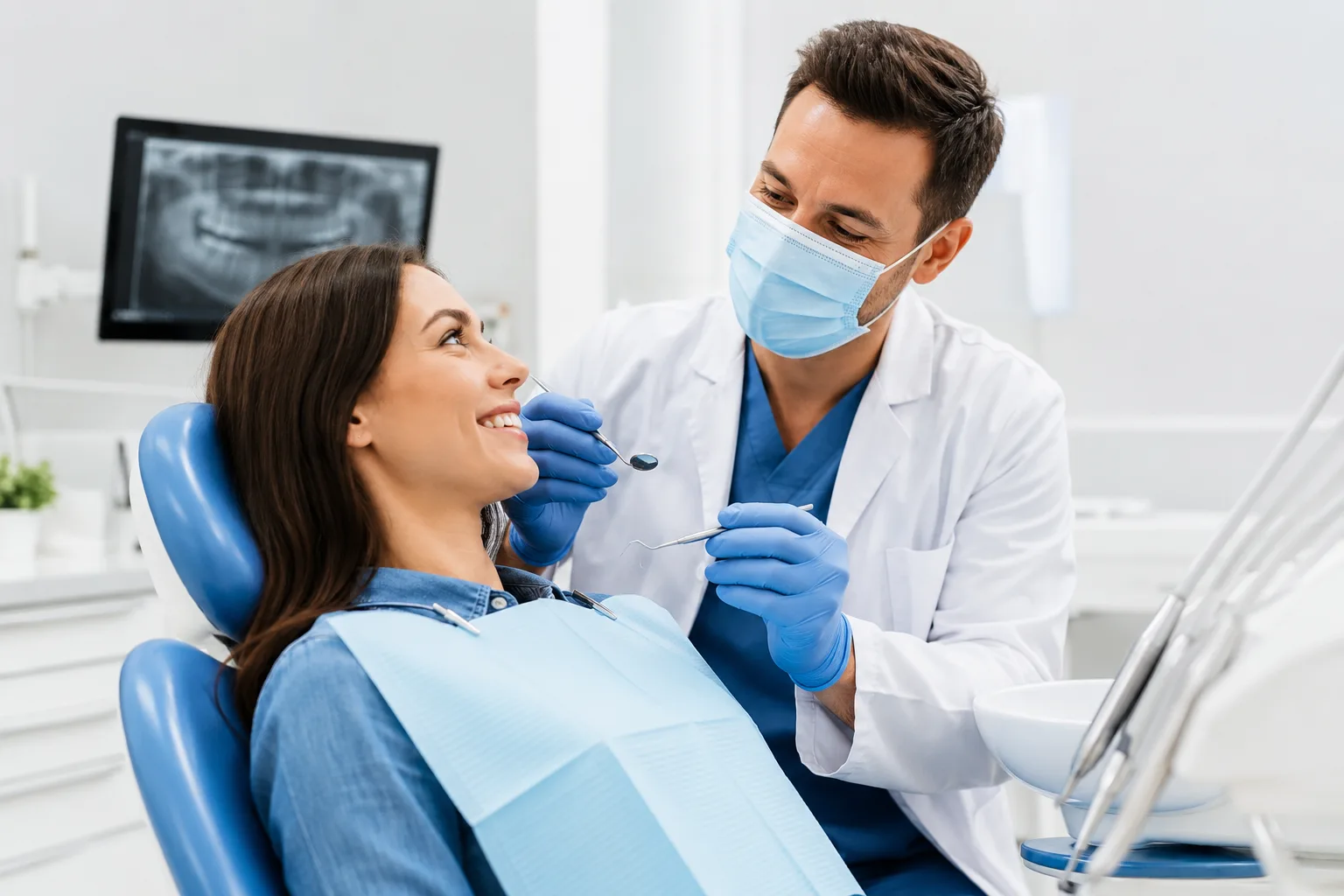
A confident smile can make everyday moments—from taking a photo to meeting someone new—feel a little easier. For people bothered by chips, discoloration, uneven edges, or small gaps, dental veneers may offer a natural-looking way to improve several cosmetic concerns at once.
Choosing veneers is also a personal decision that deserves careful planning. The best results are not simply the brightest or most perfectly shaped teeth. They are the ones designed to complement the patient’s face, bite, gumline, and preferences. For anyone researching veneers in Vacaville, CA, understanding the treatment process can make the next conversation with a dentist feel much more comfortable.
This article provides general educational information and is not a diagnosis or a substitute for care from a qualified dentist. A clinical examination is necessary to determine whether veneers are appropriate for an individual smile.
What Are Dental Veneers?
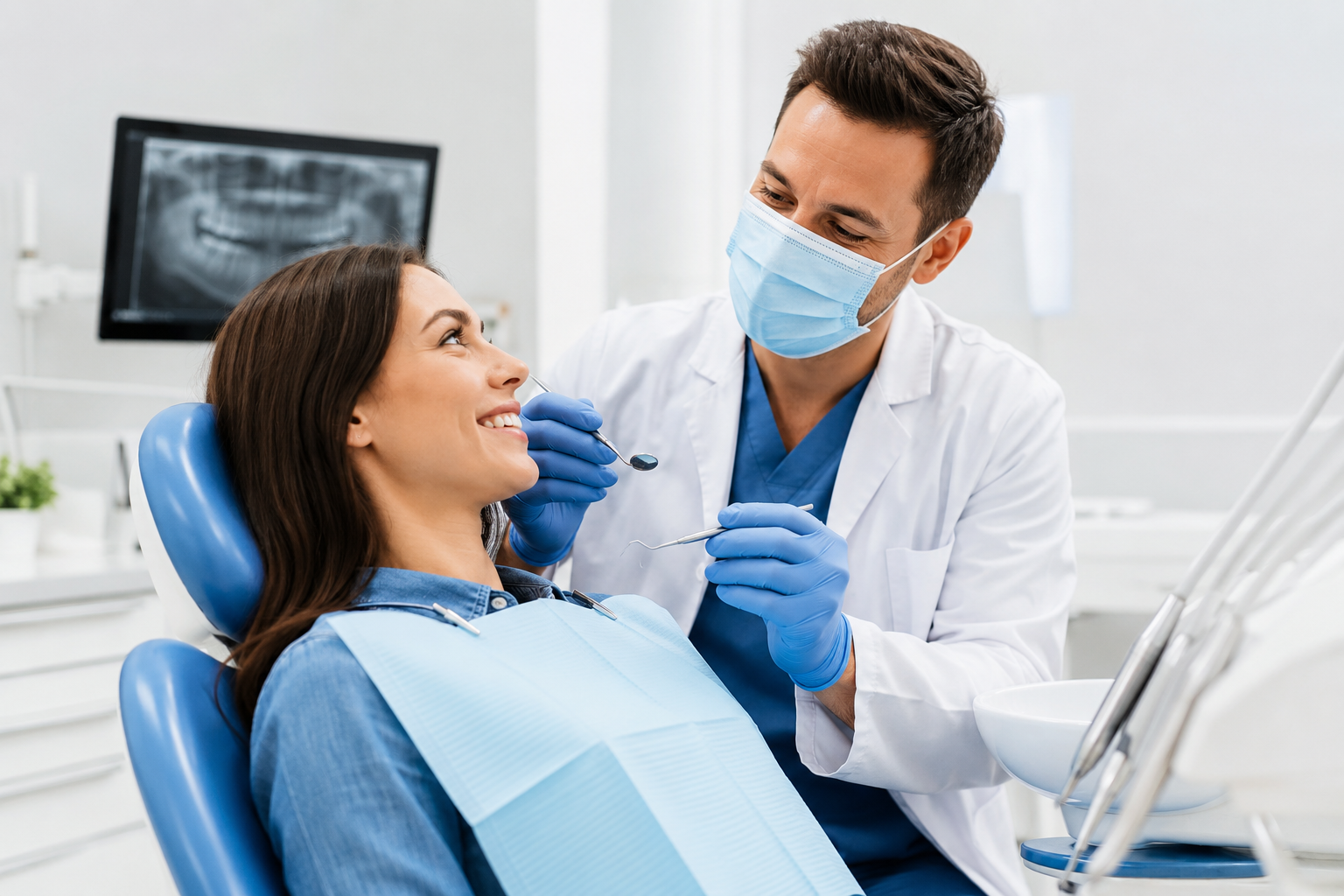
Veneers are thin, custom-made coverings placed over the visible front surfaces of teeth. They are commonly used on teeth that show when a person smiles, especially the upper front teeth.
Rather than replacing the entire tooth, a veneer changes its visible color, shape, length, or proportion. This makes veneers different from dental crowns, which cover more of the tooth and are often used when a tooth needs greater structural protection.
Veneers are usually made from porcelain or tooth-colored composite resin. Each option has advantages and limitations:
- Porcelain veneers are fabricated to match the color and light-reflecting qualities of natural enamel. They generally resist staining better than composite material.
- Composite veneers are created with tooth-colored resin, often shaped directly on the tooth. They may require less initial investment but can stain, chip, or wear sooner than porcelain.
The right material depends on the condition of the teeth, the desired changes, the bite, and the patient’s priorities. A cosmetic consultation allows the dentist to explain which approach may be most suitable.
What Cosmetic Concerns Can Veneers Address?
Veneers can improve more than tooth color. Because each restoration is individually designed, a dentist may use them to address a combination of concerns, including:
- Stains or discoloration that do not respond well to whitening
- Small chips or worn edges
- Minor gaps between teeth
- Teeth that appear short, narrow, or uneven
- Mild irregularities in tooth shape or alignment
- Differences in color or proportion between neighboring teeth
Veneers do not correct every dental problem. Significant crowding, an unhealthy bite, active gum disease, or extensive decay may require other care first. A cracked or severely weakened tooth may need a different restoration. Veneers also do not treat infection or eliminate the need for routine preventive dentistry.
In some cases, a less extensive option may meet the patient’s goals. Professional whitening may be appropriate when color is the only concern. Dental bonding can reshape a small chip, while orthodontic treatment may be more appropriate when tooth position or bite alignment is the main issue.
What Happens During the Veneer Process?
Veneer treatment begins with planning rather than tooth preparation. A thoughtful process helps the dentist understand what the patient wants while protecting long-term oral health.
1. Consultation and oral health evaluation
During the first visit, the dentist examines the teeth, gums, existing dental work, and bite. Dental X-rays or other records may be recommended when needed. This evaluation can identify cavities, inflammation, grinding-related wear, or structural concerns that could influence treatment.
This is also the time for the patient to describe what feels out of balance about the smile. Photos showing preferred shapes or shades can be helpful, but veneers should still be personalized rather than copied from another person’s smile.
2. Smile design and treatment planning
The dentist considers tooth proportions, facial features, gum symmetry, and how much tooth shows when the patient speaks or smiles. Photographs, digital scans, models, or a preview may be used to plan the design.
Patients can discuss whether they want a subtle refresh or a more noticeable change. Shade selection is particularly important. A natural result often comes from choosing a color that works with the surrounding teeth and complexion rather than automatically selecting the brightest shade available.
3. Tooth preparation
For many porcelain veneers, the dentist removes a small amount of enamel to create space for the restoration. The amount varies according to the tooth’s position and the chosen design. Because enamel removal cannot be reversed, patients should understand the long-term commitment before proceeding.
Some cases may qualify for minimal-preparation techniques, but “no-prep” treatment is not right for every smile. Adding material without enough space can make teeth look bulky or affect the gumline and bite.
4. Temporary veneers and fabrication
If the final veneers are made by a dental laboratory, temporary restorations may protect the prepared teeth while the permanent ones are created. Temporaries can also help a patient evaluate general shape and length, although they may not look or feel exactly like the final porcelain.
5. Final placement
Before bonding the veneers, the dentist evaluates their color, shape, margins, and fit. The teeth are then prepared for bonding, and the veneers are secured with dental cement. Bite adjustments and polishing may follow.
There is typically no separate biological healing process comparable to dental implant osseointegration because veneers are bonded to existing teeth rather than placed in the jawbone. Mild gum tenderness or temperature sensitivity can occur after treatment, but persistent pain, a bite that feels uneven, or a loose veneer should be reported to the dentist.
Who May Be a Good Candidate for Veneers?
A potential candidate generally has cosmetic concerns involving the front teeth and enough healthy tooth structure to support the restorations. Healthy gums, manageable bite forces, and realistic expectations also contribute to a more predictable plan.
Additional treatment may be needed before veneers if an examination reveals:
- Untreated cavities or tooth decay
- Active gum disease
- Severely weakened or fractured teeth
- Significant enamel loss
- Heavy clenching or grinding
- A bite pattern that places excessive force on the front teeth
Grinding does not always rule out cosmetic treatment, but it can raise the risk of chipping or fracture. A dentist may recommend addressing the cause and using a custom nightguard when appropriate.
Benefits and Limitations to Consider
Veneers can create a balanced, natural-looking smile while preserving more tooth structure than some full-coverage restorations. Porcelain can also mimic the translucency of enamel and resist many common surface stains.
However, veneers are not permanent in the sense that they will last forever. The Cleveland Clinic notes that veneers commonly last about five to 15 years, although an individual restoration’s lifespan varies. Oral hygiene, bite forces, material, diet, habits, and accidental damage can all affect longevity.
Other considerations include:
- Prepared teeth may always require veneers or another restoration.
- Veneers can chip, crack, loosen, or eventually need replacement.
- They do not protect teeth from decay at exposed surfaces or margins.
- Gum recession may reveal an edge over time.
- Porcelain does not whiten with bleaching products.
- Some patients experience temporary sensitivity after preparation or placement.
A clear discussion of both advantages and tradeoffs helps patients make informed decisions without feeling pressured.
How to Care for Veneers
Veneers do not require a complicated maintenance routine. They do require the same consistent care as natural teeth and gums.
- Brush twice daily with a soft-bristled toothbrush and non-abrasive toothpaste.
- Clean between the teeth every day using floss or another dentist-recommended method.
- Attend regular dental examinations and professional cleanings.
- Avoid biting ice, pens, fingernails, or other hard objects.
- Do not use veneered teeth to open packaging.
- Wear a mouthguard during contact or impact sports.
- Use a recommended nightguard if clenching or grinding is a concern.
Coffee, tea, red wine, and tobacco can discolor natural teeth and some restorative materials. Even when porcelain itself remains stable in color, nearby teeth may change shade and create a visible difference. Preventive care helps maintain a consistent appearance while allowing a dental team to monitor the veneer margins and supporting teeth.
What Affects the Cost of Veneers in Vacaville, CA?
There is no single fee that applies to every veneer case. Cost can vary based on the material, number of teeth, design complexity, laboratory work, and whether other dental care is needed first.
A patient may only need one veneer to restore a chipped tooth, while another may consider several veneers to create symmetry across the smile line. Gum treatment, replacement of old restorations, orthodontic care, or management of tooth grinding can also influence the overall plan.
Because veneers are usually selected for cosmetic reasons, patients should ask the dental office about payment policies, available financing, and whether any portion of related care may qualify for insurance benefits. A written treatment plan makes it easier to understand the recommended sequence and associated fees before making a decision.
Frequently Asked Questions About Veneers
Do veneers look like natural teeth?
Well-designed veneers can closely resemble natural enamel. The dentist considers color, translucency, texture, shape, and the characteristics of neighboring teeth. Results vary according to the starting condition, material, and treatment plan.
Does getting veneers hurt?
Local anesthetic can be used when tooth preparation is necessary to support patient comfort. Some people notice temporary sensitivity or mild gum tenderness afterward. Significant or ongoing discomfort should be evaluated rather than ignored.
Can veneers get cavities?
The veneer material cannot develop a cavity, but the natural tooth underneath and around its edges can still decay. Daily brushing, interdental cleaning, and dental visits remain essential.
Can veneers be whitened?
Porcelain veneers do not respond to standard teeth-whitening products. If whitening is part of a smile plan, a dentist may recommend completing it before selecting the veneer shade.
Are veneers reversible?
Veneers that require enamel removal are generally considered irreversible because the prepared teeth will continue to need protective restorations. Some additive or minimal-preparation treatments may alter less tooth structure, but suitability must be determined individually.
How many veneers does a patient need?
The number depends on the concern and how many teeth are visible when the patient smiles. Sometimes one veneer is appropriate; in other cases, treating several teeth creates better symmetry. More veneers are not automatically better, and the dentist should recommend the most conservative plan that can meet the patient’s goals.
Explore Veneers With a Vacaville Dental Team
Veneers can be a meaningful option for improving tooth color, shape, spacing, and overall smile balance, but successful treatment starts with healthy teeth and careful planning. A personalized examination can clarify whether veneers, bonding, whitening, orthodontics, or another approach makes the most sense.
Peña Adobe Dental Care provides cosmetic, implant, preventive, and family dental services in Vacaville, CA. Patients interested in veneers can review the practice’s comprehensive dental services and schedule a consultation to discuss their concerns, ask questions, and explore an individualized plan. A comfortable next step can begin with a simple conversation.