
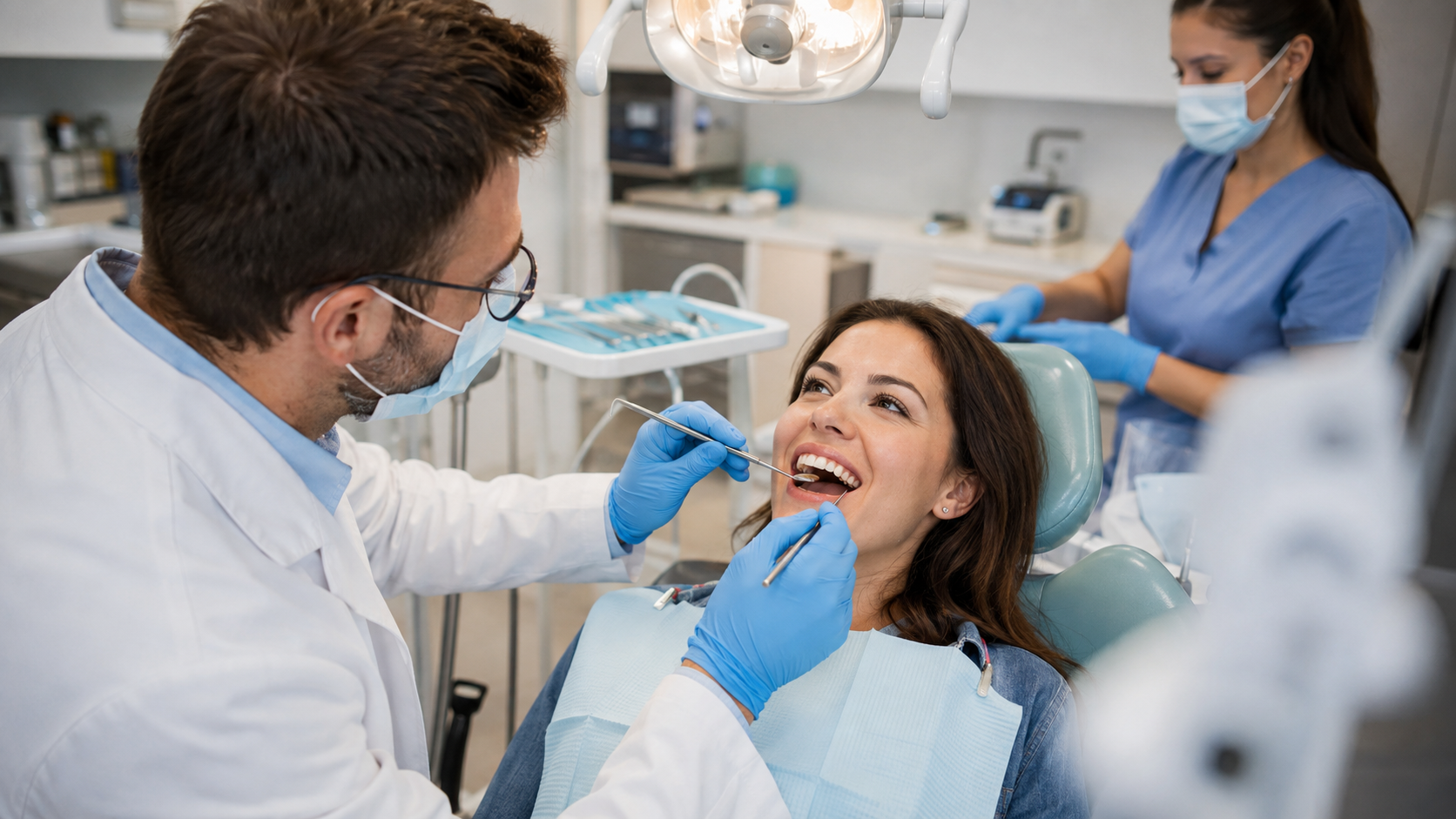
A brighter smile can make a big difference in how a person feels in photos, at work, and during everyday conversations. It is no surprise that many patients search for teeth whitening in Vacaville, CA when coffee, tea, red wine, aging, or everyday staining starts to dull their smile.
Teeth whitening is one of the most popular cosmetic dental treatments because it is simple, non-invasive, and designed to refresh the natural color of the teeth. Still, not every whitening option works the same way, and not every type of discoloration responds equally. That is why understanding the basics can help patients make more confident choices.
This article is for general educational purposes only and does not replace a dental exam, diagnosis, or personalized treatment recommendation. Anyone with tooth pain, gum irritation, dental restorations, deep stains, or sensitivity should consult a licensed dentist before starting whitening treatment.
Why Teeth Become Stained or Discolored
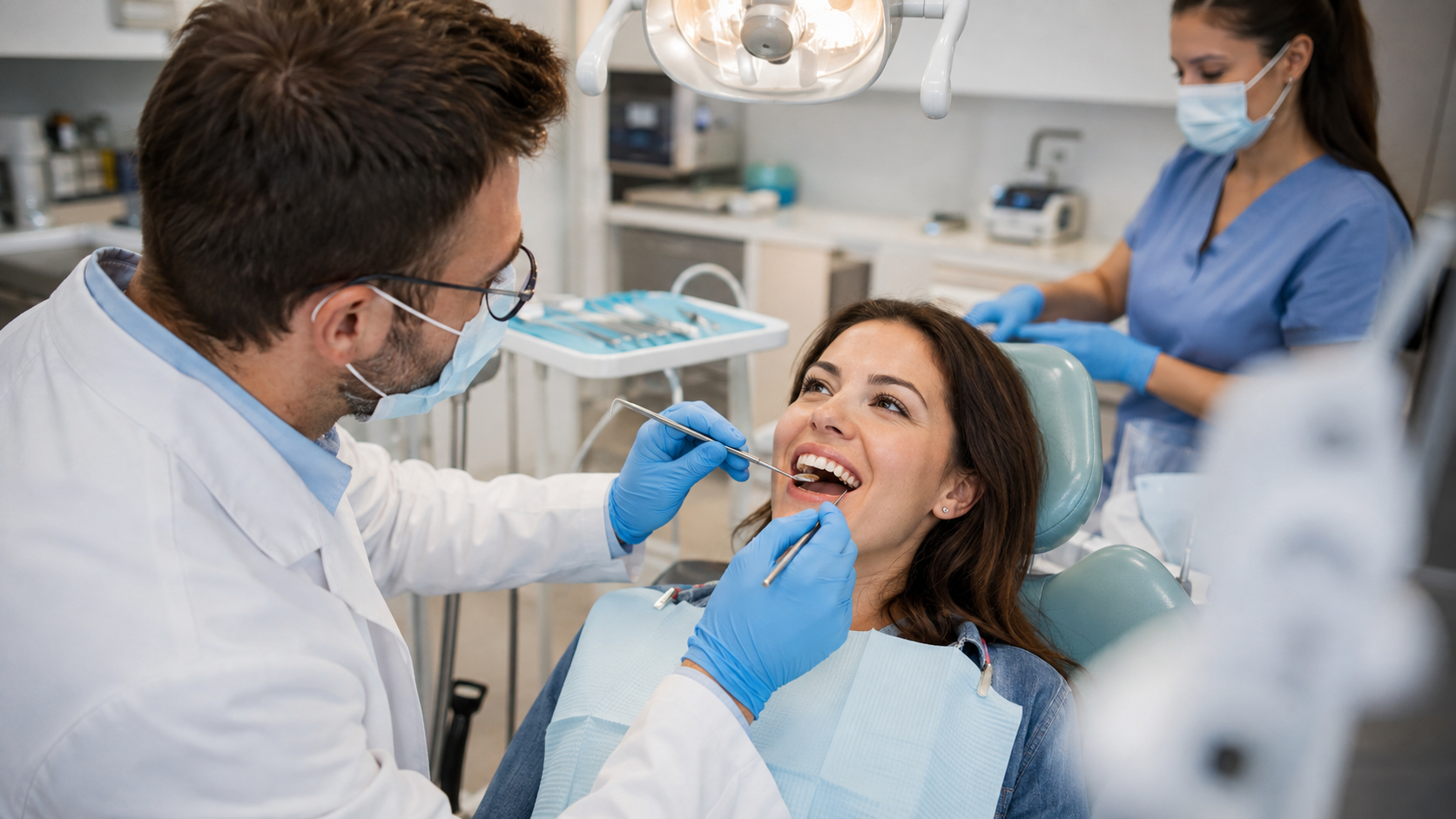
Tooth color changes over time for many reasons. Some stains sit on the surface of the enamel, while others develop deeper inside the tooth structure. Knowing the difference matters because whitening treatments are best at improving certain types of stains.
Common everyday causes of stains
Surface stains often come from foods, drinks, and habits that leave pigments behind. Coffee, tea, red wine, dark berries, tomato-based sauces, and cola can all contribute to discoloration. Tobacco use can also create yellow or brown staining that becomes harder to remove over time.
Even people with excellent brushing and flossing habits may notice gradual dullness. Tooth enamel has tiny pores that can collect color particles. Over months and years, these pigments can make teeth look less bright.
Age-related color changes
As people age, enamel naturally becomes thinner. The layer underneath the enamel, called dentin, has a warmer yellow tone. When enamel thins, more of that dentin color can show through, making teeth appear darker even if they are clean and healthy.
Internal discoloration
Some discoloration comes from within the tooth. This may happen after dental trauma, certain medications, developmental enamel changes, or past dental treatment. Internal discoloration may not respond as well to standard whitening products, so a dentist may discuss other cosmetic options if whitening is unlikely to create the desired result.
How Professional Teeth Whitening Works
Professional teeth whitening uses whitening agents designed to break down stain molecules in the enamel and dentin. As those stain molecules become smaller and less concentrated, the teeth can appear lighter and brighter.
The active ingredients commonly used in whitening are hydrogen peroxide or carbamide peroxide. Dental professionals can recommend formulas, application methods, and timing based on a patient’s oral health, tooth shade, sensitivity level, and goals.
At a dental office such as Peña Adobe Dental Care, patients can also have their teeth and gums evaluated before whitening. This step is important because cavities, gum inflammation, exposed roots, or cracked teeth may increase the risk of discomfort during whitening.
Professional Whitening vs. Store-Bought Whitening Products
Patients in Vacaville have many whitening choices, from toothpaste and strips to dentist-guided treatments. Each option has a place, but they differ in strength, fit, comfort, and predictability.
Whitening toothpaste
Whitening toothpaste can help remove surface stains with mild polishing ingredients. It may make the smile look cleaner and a bit brighter, especially after coffee or tea stains. However, toothpaste does not usually change the deeper shade of the teeth because it stays on the enamel for only a short time.
Over-the-counter whitening strips
Whitening strips are widely available and may improve mild discoloration. The challenge is that strips are one-size-fits-most. They may not cover every tooth evenly, and they can slide around or touch the gums, which may cause irritation for some people.
Professional take-home whitening
Dentist-supervised take-home whitening often uses custom trays or professionally selected whitening products. Custom trays help keep the gel close to the teeth while limiting contact with the gums. This can support a more even whitening process and may be easier to manage for patients with sensitivity.
In-office whitening
In-office whitening is performed under dental supervision and is often chosen by patients who want noticeable results in a shorter appointment. The dental team can protect the gums, apply the whitening material carefully, and monitor the process from start to finish.
No whitening option can promise a specific shade for every person. Results depend on the starting tooth color, type of stain, enamel condition, oral habits, and the whitening method used.
Who Is a Good Candidate for Teeth Whitening?
Many adults with healthy teeth and gums may be good candidates for whitening, especially if they have yellow-toned stains from food, drinks, or normal aging. A dental evaluation is the best way to confirm whether whitening is appropriate.
Whitening may not be the first step if a patient has untreated cavities, gum disease, significant sensitivity, cracked teeth, or exposed roots. In those cases, the dentist may recommend addressing oral health concerns first so whitening can be more comfortable and effective.
It is also important to know that whitening gel does not lighten crowns, veneers, bridges, fillings, or bonding. If a front tooth has a visible restoration, the natural teeth may whiten while the restoration stays the same color. A dentist can explain whether restoration replacement or another cosmetic treatment may be needed after whitening.
What to Expect During a Teeth Whitening Consultation
A whitening consultation is usually straightforward and comfortable. The dental team may review the patient’s goals, examine the teeth and gums, and ask about sensitivity, medical history, dental history, and current oral care routines.
The dentist may also look for the cause of discoloration. This helps determine whether whitening is likely to help or whether another option may be more appropriate. For example, a single dark tooth may need a different evaluation than general yellowing across the smile.
Patients can use this visit to ask practical questions, such as:
- Which whitening option is best for this type of staining?
- How long might the process take?
- What level of sensitivity is normal?
- How should the teeth be cared for after whitening?
- Will existing fillings, crowns, or veneers affect the final result?
Is Teeth Whitening Safe?
Teeth whitening is generally considered safe for appropriate candidates when products are used as directed. Professional guidance helps reduce avoidable issues, such as gum irritation, uneven whitening, or excessive sensitivity from overuse.
Some temporary sensitivity is common. Teeth may feel sensitive to cold air, cold drinks, or brushing for a short time after whitening. This usually improves, but patients should tell their dentist if sensitivity is strong, lasts longer than expected, or occurs before whitening begins.
People sometimes assume that using more whitening gel or wearing strips longer will create better results. In reality, overusing whitening products can irritate the gums and make teeth uncomfortable. A dentist can recommend a schedule that balances brightness goals with comfort and safety.
How Long Do Whitening Results Last?
Whitening results vary from person to person. Some patients enjoy a brighter smile for many months, while others notice stains returning sooner, especially if they frequently drink coffee, tea, red wine, or soda.
Good maintenance habits can help results last longer. Patients can rinse with water after dark beverages, use a straw when appropriate, brush twice daily, floss once daily, and keep up with professional cleanings. Regular dental visits also help remove surface buildup that can make teeth look dull.
Touch-up whitening may be recommended from time to time. The timing depends on the whitening method used, the patient’s habits, and how quickly stains return.
Tips for Maintaining a Brighter Smile After Whitening
After whitening, teeth may be more likely to pick up stains for a short period. A dentist may suggest avoiding or limiting deeply colored foods and drinks for the first day or two, depending on the treatment used.
Helpful habits include:
- Drinking water after coffee, tea, or red wine
- Brushing gently with a fluoride toothpaste
- Using a soft-bristled toothbrush
- Flossing daily to remove plaque between teeth
- Avoiding tobacco products
- Scheduling regular dental cleanings
- Following the dentist’s instructions for touch-ups
Patients with sensitivity may also benefit from a toothpaste made for sensitive teeth before and after whitening. A dentist can recommend when to start using it and whether it fits the patient’s needs.
When Whitening May Not Be Enough
Whitening is a great option for many smiles, but it is not the only cosmetic solution. If teeth have deep discoloration, uneven enamel, chips, worn edges, gaps, or older restorations, the dentist may discuss alternatives.
Options such as cosmetic bonding, porcelain veneers, or crowns may be considered in certain cases. These treatments can change tooth color, shape, and size more dramatically than whitening. The right choice depends on oral health, cosmetic goals, budget, timeline, and the amount of natural tooth structure involved.
For many patients, whitening is still a helpful first step. It can brighten the natural teeth before additional cosmetic work, allowing restorations to be matched to a fresher shade.
Choosing Teeth Whitening in Vacaville, CA
When considering teeth whitening in Vacaville, CA, patients should look for a dental team that takes time to evaluate oral health, explain options clearly, and personalize recommendations. Whitening is not just about making teeth lighter. It is about helping the smile look healthy, natural, and comfortable for the person wearing it.
A local dental office can also make follow-up care easier. If sensitivity develops, if results look uneven, or if a patient has questions after treatment, help is nearby. That support can make the whitening experience feel more reassuring from beginning to end.
Peña Adobe Dental Care welcomes patients who want to learn more about brightening their smile in a comfortable, patient-focused setting. A consultation can help determine whether whitening is a good fit and which approach may be best.
Frequently Asked Questions About Teeth Whitening
Does teeth whitening hurt?
Teeth whitening should not be painful, but temporary sensitivity can happen. Some patients notice a zinging feeling or sensitivity to cold for a short time. A dentist can adjust the whitening plan, recommend sensitivity toothpaste, or suggest breaks between treatments if needed.
How white can teeth get with whitening?
Results depend on the natural tooth color, type of staining, enamel thickness, and whitening method. Some teeth respond very well, while others lighten more subtly. A dentist can help set realistic expectations before treatment begins.
Will whitening work on crowns, veneers, or fillings?
No. Whitening products are designed for natural tooth enamel and do not change the color of crowns, veneers, bonding, bridges, or fillings. If restorations show when smiling, the dentist can discuss how whitening may affect the overall appearance.
How often can someone whiten their teeth?
The right schedule depends on the product used, the patient’s oral health, and sensitivity level. Whitening too often can cause irritation or discomfort, so patients should follow their dentist’s instructions rather than repeating treatments too frequently.
Can someone whiten teeth if they have sensitive teeth?
Many people with mild sensitivity can still whiten their teeth with the right plan, but they should talk with a dentist first. The dentist may recommend a gentler approach, shorter wear times, desensitizing products, or treating the cause of sensitivity before whitening.
Is professional whitening better than whitening strips?
Professional whitening offers the benefit of dental supervision, personalized recommendations, and often a better fit or stronger materials than over-the-counter options. Whitening strips may help mild stains, but they may not be ideal for everyone, especially patients with restorations, sensitivity, or uneven staining.
How should someone prepare for a whitening appointment?
Patients should share any history of sensitivity, gum problems, cavities, or dental restorations with the dentist. In some cases, a professional cleaning may be recommended before whitening so surface buildup does not interfere with results.
A Brighter Smile Starts With a Conversation
Teeth whitening can be a simple, confidence-boosting way to refresh a smile, but the best results come from choosing the right approach for the individual. A dental consultation helps patients understand the cause of discoloration, compare options, and avoid common whitening mistakes.
For those exploring teeth whitening in Vacaville, CA, Peña Adobe Dental Care can answer questions and provide guidance in a friendly, comfortable environment. Patients are encouraged to schedule a consultation, share their smile goals, and take the next step toward a brighter, healthier-looking smile.