
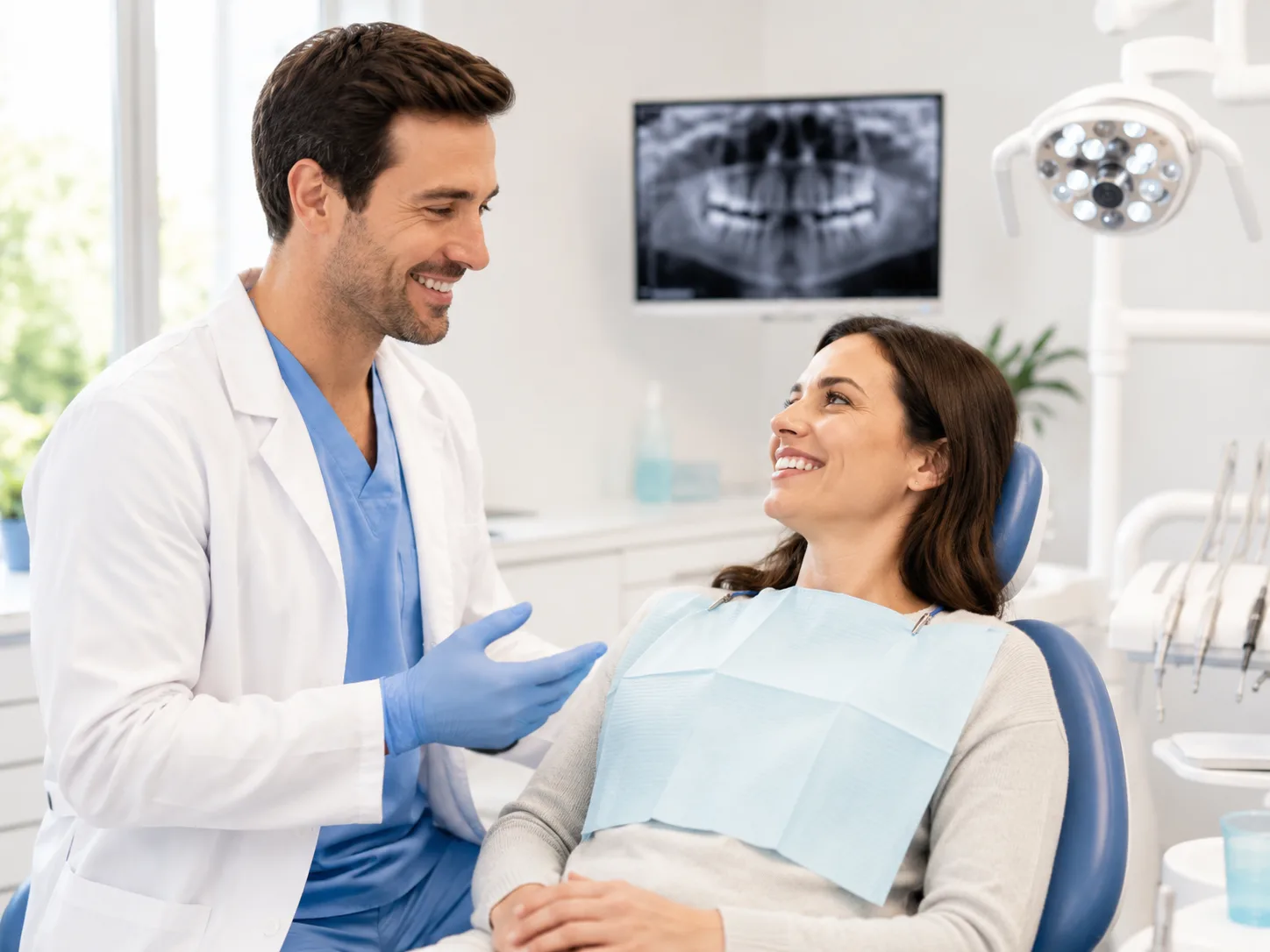
Missing teeth can affect much more than appearance. They may make it harder to enjoy certain foods, speak clearly, or feel comfortable smiling in photographs. Fortunately, today’s dentures can provide a natural-looking and personalized way to restore missing teeth.
People considering dentures in Vacaville, CA, often have practical questions: Which type is right for them? Will the dentures look natural? How long will it take to adjust? Understanding the available choices can make the process feel far less overwhelming.
This article provides general educational information and is not a substitute for an examination or personalized advice from a dentist. A dental professional can evaluate oral health, discuss risks and benefits, and recommend an appropriate treatment plan.
A Practical Guide to Choosing and Living With Dentures
What Are Dentures?
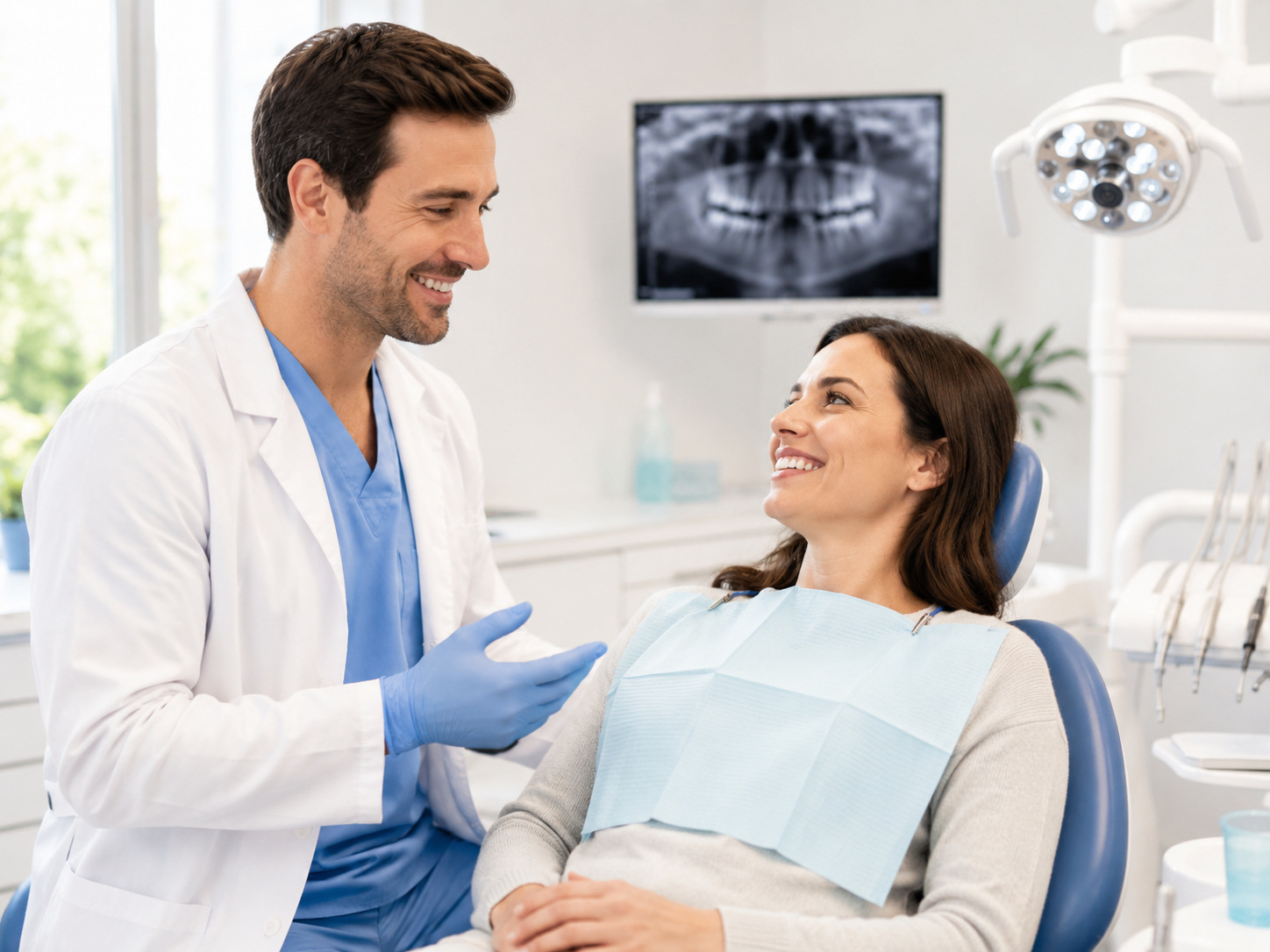
Dentures are removable dental appliances that replace missing teeth and some of the surrounding gum tissue. Each appliance is made to fit the individual patient’s mouth. The goal is to improve appearance and support everyday activities such as eating and speaking.
Modern dentures are not one-size-fits-all. Their shape, shade, bite, and fit can be customized to complement a person’s facial features and remaining teeth. A careful design process can help the result look balanced rather than artificial or overly uniform.
Dentures may replace every tooth in an upper or lower arch, or they may fill spaces when healthy natural teeth remain. Some can also connect to dental implants for added stability.
Common Types of Dentures
The right option depends on how many teeth are missing, the condition of the remaining teeth, gum and bone health, personal preferences, and budget.
Full dentures
Full dentures, also called complete dentures, replace all the teeth in the upper jaw, lower jaw, or both. They rest on the gums and are shaped to work with the contours of the mouth.
An upper denture typically covers part of the roof of the mouth, while a lower denture is generally horseshoe-shaped to leave room for the tongue. Because lower dentures have less surface area for support, their stability can sometimes be more challenging.
Partial dentures
Partial dentures replace several missing teeth while preserving natural teeth that remain healthy. The appliance usually includes replacement teeth attached to a gum-colored base and uses designated natural teeth for support.
Besides filling visible gaps, a partial denture can help distribute chewing forces and maintain a more complete bite. The design will depend on the location of the missing teeth and the health of the supporting teeth.
Immediate dentures
Immediate dentures are prepared before selected teeth are removed and placed soon after extraction. This approach may allow a patient to avoid going without visible teeth during the initial healing period.
However, gums and bone change shape as the mouth heals. An immediate denture may therefore require adjustments, relining, or eventual replacement. The dentist should explain how the temporary and final stages fit into the overall plan.
Implant-supported dentures
Implant-supported dentures attach to dental implants placed in the jaw. Depending on the design, the restoration may snap on and off for cleaning or remain fixed and be removed only by a dental professional.
Implants can improve denture retention, but they involve surgery and are not appropriate for everyone. Candidacy depends on factors such as bone support, gum health, general health, home care, and smoking history. Implant treatment also has separate phases: early post-procedure symptoms, soft-tissue healing, integration of the implant with the bone, and completion of the final restoration. These phases do not share one universal timeline, so the treating dentist should provide an individualized schedule.
What to Expect During the Denture Process
The process begins with a dental examination. The dentist assesses the gums, existing teeth, bite, jaw relationships, and areas that may need treatment before the denture is made. Dental images or other records may be recommended when needed.
Measurements, scans, or impressions are then used to create the appliance. In many cases, patients can review important details such as tooth shade, size, position, and bite before the denture is finished.
Once the denture is delivered, the dentist checks pressure points, retention, appearance, speech, and how the upper and lower teeth meet. Follow-up adjustments are a normal part of the process. A spot that feels only mildly uncomfortable at first can become sore with repeated chewing, so patients should report irritation instead of trying to reshape the appliance at home.
Getting Used to New Dentures
New dentures may initially feel bulky or unfamiliar. The cheeks, lips, and tongue need time to adapt to the appliance. According to Cambridge University Hospitals’ denture care guidance, patients may need to practice inserting and removing their dentures while they become accustomed to wearing them.
Several habits can make the transition easier:
- Begin with soft foods cut into small pieces.
- Chew slowly and use both sides of the mouth when possible.
- Avoid testing the denture with especially hard, sticky, or tough foods at first.
- Practice reading aloud if certain words sound different.
- Follow the dentist’s instructions about when to wear and remove the appliance.
- Schedule an adjustment if an area becomes persistently sore.
Denture adhesive may help in selected situations, but it should not be used to hide an ongoing fit problem. A dentist can determine whether an adjustment, repair, or reline is more appropriate.
How to Clean and Protect Dentures
Dentures collect food debris and plaque just as natural teeth do. Daily cleaning helps control odor, staining, and irritation while keeping the appliance in better condition.
- Remove and rinse the denture after meals when practical.
- Clean it with a denture brush or other dentist-recommended brush.
- Use a cleanser intended for dentures rather than an abrasive household product.
- Handle the appliance over a folded towel or basin of water to reduce the chance of breakage if it falls.
- Clean the tongue, gums, and any remaining teeth every day.
- Store the denture as directed so it does not dry out or lose its shape.
Patients should not place dentures in very hot water or attempt repairs with household glue. At-home alterations can damage the appliance and expose the mouth to unsafe materials.
Why Regular Dental Visits Still Matter
People without natural teeth still benefit from regular dental care. A dentist can examine the gums and other oral tissues, check the bite, assess the denture for wear, and look for areas of rubbing or inflammation.
The mouth also changes over time. Gums and underlying bone may gradually shrink, causing a denture to become loose even when it fit well originally. Dentures may eventually need an adjustment, reline, rebase, or replacement. Persistent looseness should not be considered something a patient simply has to tolerate.
A dental visit should be arranged if a denture cracks, repeatedly slips, causes sores, makes eating increasingly difficult, or creates a noticeable change in the bite. New lumps, patches, bleeding, pain, or mouth sores that do not resolve also deserve professional evaluation.
Cost and Insurance Considerations
The cost of dentures varies because treatment is tailored to the patient. Factors can include whether the appliance is full or partial, the materials and design selected, the condition of existing teeth, the need for preparatory care, follow-up adjustments, and whether dental implants are involved.
When comparing estimates, patients should ask what the proposed fee includes. Useful questions include whether extractions, temporary dentures, adjustment visits, relines, and future maintenance are billed separately. Dental insurance may cover part of the treatment, but benefits, waiting periods, and replacement rules vary by plan.
The lowest initial price may not represent the best long-term value if the appliance offers poor fit, limited follow-up care, or inadequate function. A clear written treatment plan can help patients compare options more meaningfully.
Frequently Asked Questions About Dentures
Will dentures look natural?
Dentures can be customized for tooth color, shape, size, and position. A thoughtful design aims to complement the patient’s face and smile. Results vary according to anatomy, the type of appliance, and the treatment plan.
Can a person eat normally with dentures?
Many people eat a varied diet with dentures, although some foods may require practice or modification. Starting with soft, manageable pieces and gradually adding firmer foods can help. Ongoing chewing difficulty should be discussed with a dentist.
Should dentures be worn while sleeping?
Patients should follow their dentist’s specific instructions. Dentures are commonly removed for a regular period so the supporting tissues can rest and the appliance can be cleaned, but individual needs may differ, especially immediately after dental procedures.
How long do dentures last?
There is no single replacement schedule for every patient. Normal wear and changes in the mouth can affect fit and function over time. Regular examinations help determine when adjustment, relining, repair, or replacement is appropriate.
Are implant-supported dentures better than traditional dentures?
Neither option is best for everyone. Implant-supported dentures may offer greater retention for appropriate candidates, while traditional dentures avoid implant surgery and may have a lower initial cost. A dentist can compare the benefits, limitations, maintenance needs, and risks based on the patient’s health and priorities.
Can broken dentures be repaired at home?
No. Household glue and do-it-yourself repair kits may damage the denture, alter the bite, or expose the mouth to inappropriate materials. A dental office or qualified dental laboratory should assess a broken appliance.
Finding the Right Denture Solution in Vacaville, CA
A comfortable denture starts with an individualized evaluation, realistic expectations, and reliable follow-up care. Patients should feel comfortable asking how each option will affect appearance, chewing, cleaning, maintenance, and total treatment cost.
Peña Adobe Dental Care provides family, cosmetic, and implant dental care in Vacaville. Patients can review the practice’s dental services and request a consultation to discuss missing teeth and possible replacement options.
For anyone exploring dentures in Vacaville, CA, the next step can be as simple as scheduling an examination and bringing a list of questions. A personalized conversation can clarify which choices fit the patient’s oral health, comfort preferences, lifestyle, and goals.