
Clear aligners offer a discreet, removable alternative for many common alignment concerns. These custom-made trays gradually guide teeth toward planned positions while fitting comfortably into everyday routines. Adults and teens exploring clear aligners in Vacaville, CA, can use this guide to understand how treatment works, what to expect, and which questions to ask during a consultation.
This article provides general educational information and is not a diagnosis or personalized treatment recommendation. A dentist or orthodontic professional should evaluate each patient’s teeth, gums, bite, and health history before treatment.
What Are Clear Aligners?
Clear aligners are thin, transparent trays made to fit closely over the teeth. Instead of using brackets and wires, aligner therapy uses a planned series of trays. Each set applies controlled pressure to encourage specific teeth to move gradually.
Patients change to a new set according to the schedule provided by their dental professional. Although the trays are removable, they must be worn consistently for treatment to progress as planned.
Invisalign is one well-known clear aligner system, but the broader term “clear aligners” includes several professionally supervised options. Peña Adobe Dental Care offers Invisalign treatment in Vacaville for patients who want to explore discreet teeth straightening.
What Dental Concerns Can Clear Aligners Address?
Clear aligners may help correct a range of mild to moderate orthodontic concerns, including:
- Crowded or overlapping teeth
- Small spaces or gaps between teeth
- Some overbites and underbites
- Crossbites or open bites in selected cases
- Teeth that have shifted after earlier orthodontic treatment
The important phrase is “in selected cases.” Two people may have alignment issues that look similar but require different treatment because of their jaw relationships, tooth roots, gum health, or bite mechanics.
Complex tooth movement or significant jaw-related concerns may require traditional braces, specialty orthodontic care, or another approach. A professional evaluation is the safest way to determine whether clear aligners can produce an appropriate and stable result.
Why Do Patients Choose Clear Aligners?
A discreet appearance
The trays are designed to be less noticeable than conventional braces. This can be especially appealing to adults who regularly attend work meetings, social occasions, or public-facing events. Teens may also appreciate an option that does not draw as much attention to treatment.
Removable trays
Patients generally remove their aligners for meals and for brushing and flossing. That means there are no brackets around which food can become trapped, and patients can continue using familiar oral hygiene techniques.
Removability is both an advantage and a responsibility. Leaving aligners out too often can interfere with planned tooth movement and may extend treatment.
Comfort and convenience
Clear aligners have smooth surfaces and do not contain protruding wires. Patients may still notice pressure or temporary tenderness when beginning a new set because the trays are actively moving teeth.
Research has associated clear aligner treatment with patient-centered benefits such as easier oral hygiene, less soft-tissue irritation, and favorable comfort experiences in appropriately selected cases. However, outcomes vary, and researchers continue to evaluate different treatment protocols and patient groups. These findings are discussed in reviews of clear aligner outcomes and clear aligner therapy in adolescent patients.
Fewer food restrictions
Because aligners are removed before eating, most patients can continue enjoying their usual foods. Sticky, crunchy, or hard foods that can damage braces are less of a concern when no brackets are attached. Good judgment still matters, particularly if a patient has tooth sensitivity, restorations, or other dental needs.
What Happens During Clear Aligner Treatment?
1. The consultation
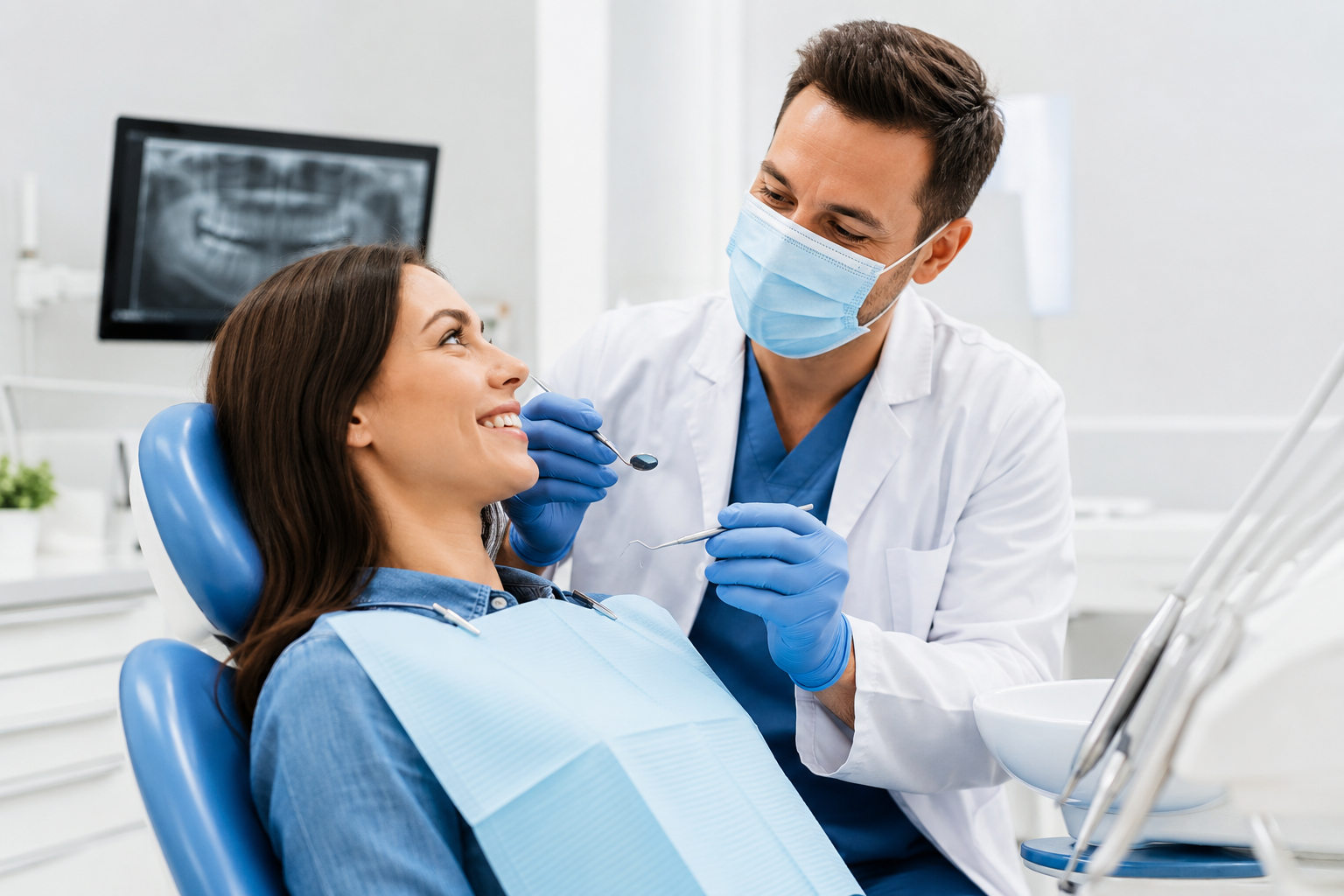
Treatment begins with an examination. The dentist reviews the patient’s goals, evaluates the bite, checks the teeth and gums, and discusses relevant dental and medical history. X-rays, photographs, or other records may be recommended to assess areas that cannot be evaluated by appearance alone.
Any active decay or gum disease may need attention before orthodontic movement begins. Starting with a healthy foundation can make aligner care easier and reduce avoidable complications.
2. Digital planning
A digital scan or impression records the shape and position of the teeth. Treatment-planning software may then create a visual model of the proposed movements. This helps the clinician plan the sequence of trays and explain the intended direction of treatment.
A digital preview is a planning tool rather than a guarantee. Teeth do not always respond exactly as a computer simulation predicts, so professional monitoring remains important.
3. Wearing the aligners
Once the trays are ready, the dental team checks their fit and explains when to wear, remove, clean, and change them. Some patients may need small tooth-colored attachments placed on certain teeth. These attachments give the aligners additional grip for particular movements.
In selected cases, a dentist may recommend creating a very small amount of space between teeth or using elastics with the trays. These techniques are not needed for everyone and should only be performed or prescribed by a qualified clinician.
4. Progress visits and refinements
Follow-up appointments allow the dentist to confirm that the aligners fit correctly and that the teeth are moving safely. If progress differs from the original plan, an updated scan and additional refinement trays may be recommended.
Treatment length varies widely based on case complexity, biological response, treatment goals, and how consistently the aligners are worn. A personalized estimate can only be provided after an examination and treatment plan.
5. Retainers after treatment
Teeth can shift after orthodontic treatment. Retainers help hold them in their corrected positions while the surrounding tissues adapt. Patients should follow the prescribed retainer schedule and bring the retainer to dental visits if they notice changes in fit.
Retention is part of maintaining the result, not an optional extra. Even patients who had braces or aligners years ago may experience movement if retainers are no longer worn as directed.
How to Care for Clear Aligners
Simple daily habits can help keep trays clean and support oral health during treatment:
- Remove aligners before eating unless the dental team gives different instructions.
- Drink plain water while wearing the trays and ask the dentist about other beverages.
- Brush and floss before putting clean aligners back over the teeth.
- Rinse trays with cool or lukewarm water; hot water may change their shape.
- Use the cleaning method recommended by the aligner manufacturer and dental team.
- Store trays in their case rather than wrapping them in a napkin, where they can be lost or discarded.
- Keep routine dental cleanings and examinations throughout treatment.
If an aligner cracks, becomes lost, or no longer fits, the patient should contact the dental office rather than skipping ahead without guidance. The clinician may recommend wearing a previous tray, moving to another tray, or ordering a replacement depending on the situation.
Are Clear Aligners Right for Everyone?
Clear aligners can work well for patients who have suitable orthodontic needs and can follow the wear schedule. They may be less appropriate when a case requires movements that another appliance can accomplish more predictably, when oral disease is uncontrolled, or when a patient is unlikely to wear removable trays consistently.
Age alone does not determine candidacy. Teens may be candidates if their dental development and level of responsibility are appropriate. Adults can also pursue treatment, including those who experienced shifting after braces earlier in life. Gum and bone health become especially important when evaluating adult patients.
Pregnancy, dental implants, crowns, bridges, previous dental work, and jaw symptoms do not automatically rule out clear aligners, but they can affect planning. Patients should share their full health and dental history during the consultation.
How Much Do Clear Aligners Cost in Vacaville, CA?
The cost of clear aligners depends on the complexity of the bite, the amount of movement required, the type of system used, and whether refinement trays or additional procedures are part of the plan. A brief cosmetic adjustment may not involve the same fee as comprehensive bite correction.
Dental insurance benefits also vary. Some plans include orthodontic coverage with limitations, while others do not cover adult orthodontics. Patients can ask the practice for a written estimate, available payment options, and help reviewing potential insurance benefits before committing to treatment.
Price is important, but it should not be the only consideration. Professional examination, careful planning, routine monitoring, and access to a local dental team when questions arise all contribute to safe, patient-centered care.
Questions to Ask at a Clear Aligner Consultation
- What alignment or bite concerns does the examination show?
- Are clear aligners appropriate for the desired result?
- Are there dental problems that should be treated first?
- Will attachments, elastics, or other techniques be needed?
- How often will progress be checked?
- What happens if a tray does not fit or gets lost?
- Are refinements and retainers included in the treatment estimate?
- What realistic result can be expected from this plan?
A trustworthy consultation should leave room for questions and explain both the benefits and limitations of the proposed treatment. Patients should feel comfortable asking for clarification before making a decision.
Frequently Asked Questions About Clear Aligners
Do clear aligners hurt?
Patients may experience pressure or mild tenderness, especially after changing to a new tray. This usually reflects the force being used to move the teeth. Sharp pain, significant swelling, gum injury, or a tray that will not seat properly should be reported to the dental office.
Can a patient eat while wearing aligners?
Aligners are generally removed for meals and snacks. Eating with them may stain or damage the trays and can trap food against the teeth. Patients should follow the instructions provided for their specific aligner system.
Will clear aligners affect speech?
Some patients notice a temporary lisp while becoming accustomed to the trays. Speaking and reading aloud can help the tongue adapt. A persistent speech concern or poorly fitting tray should be discussed with the treating dentist.
Can clear aligners close every gap?
They can close many spaces, but the cause and size of a gap matter. Spaces related to missing teeth, gum conditions, tooth shape, or oral habits may require additional dental care or a combined treatment plan.
Can someone switch from braces to clear aligners?
Sometimes, but not in every case. The clinician must evaluate current tooth positions, remaining movements, oral health, and the advantages of changing treatment methods.
What happens after the final aligner?
The clinician evaluates the result and determines whether refinement trays are needed. Once active tooth movement is complete, retainers are typically prescribed to help limit future shifting. Ongoing dental visits remain important for maintaining both the smile and overall oral health.
Explore Clear Aligners With a Vacaville Dental Team
Clear aligners can provide a flexible, low-profile way to improve tooth alignment, but successful care starts with the right diagnosis and a personalized plan. A local consultation can clarify whether aligners are suitable, what the process may involve, and how treatment can fit into the patient’s daily life.
Patients considering clear aligners in Vacaville, CA, can contact Peña Adobe Dental Care to ask questions or schedule an evaluation. The team can review smile goals, examine oral health, and explain appropriate next steps without pressure.