
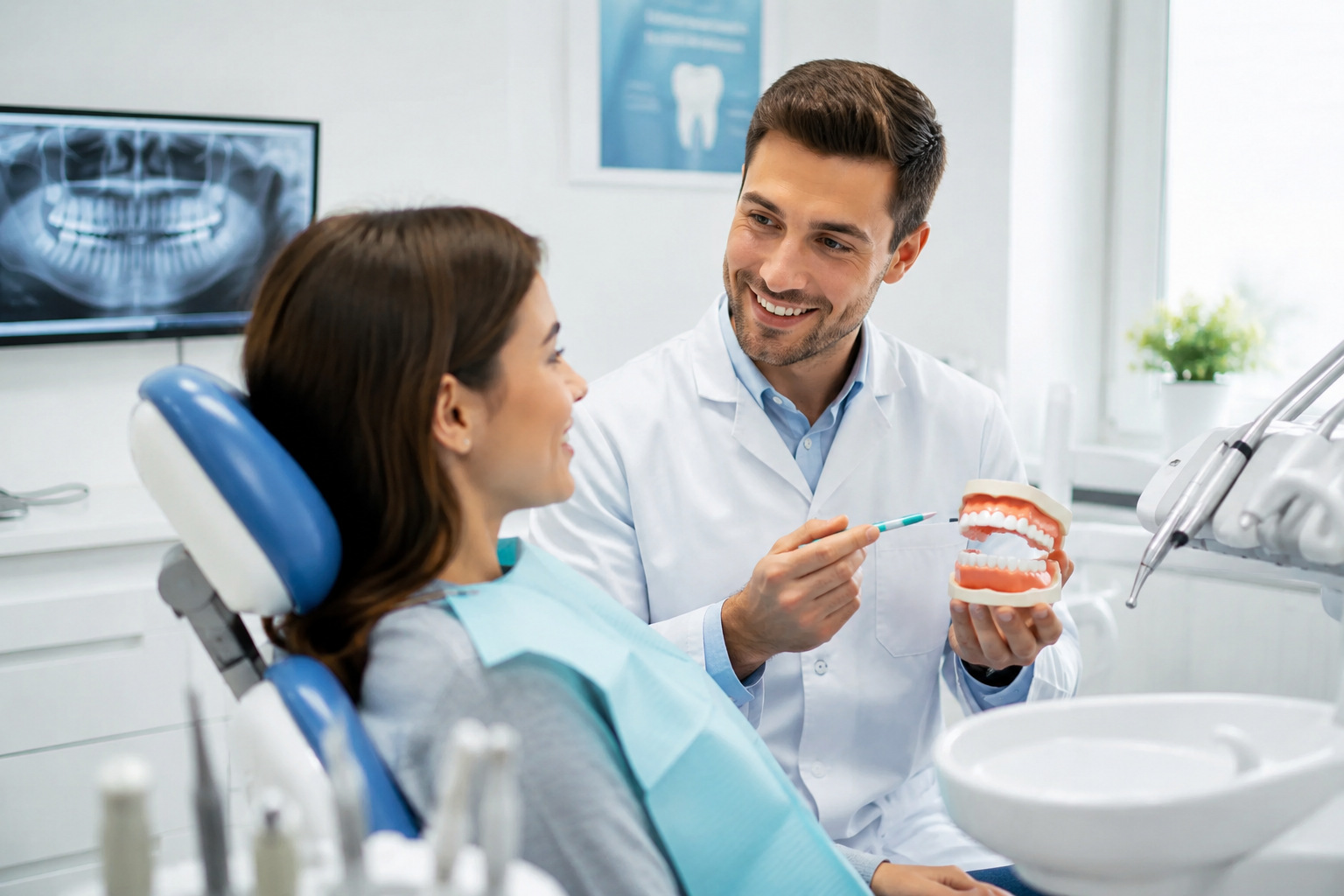
When a tooth cracks, bleeds, or throbs at night, you want fast, effective care in Vacaville that relieves pain and protects your smile. An emergency dentist in Vacaville can provide same-day assessment and treatment for severe pain, knocked-out teeth, uncontrollable bleeding, and infections to prevent complications.
They explain what qualifies as a true dental emergency and walk you through what to expect during an urgent visit, from pain control to modern repair options like crowns, root canals, or temporary restorations. You’ll also learn practical steps to manage pain at home, how to choose a nearby practice that offers evening or weekend availability, and simple prevention tips to reduce the chance of another emergency.
Recognizing Dental Emergencies
Knowing which symptoms need urgent attention helps patients act quickly and reduce pain or lasting damage. The following points emphasize signs, timing, and how to tell true emergencies from issues that can wait.
Common Signs of Urgent Dental Issues
Severe, uncontrolled bleeding after an injury or tooth extraction requires immediate care. If bleeding soaks through gauze or a bandage for more than 20–30 minutes, a prompt dental or emergency-room visit is necessary.
Intense tooth pain that prevents sleep or eating often signals infection, nerve damage, or a deep cavity. Pain accompanied by fever, swelling of the face or neck, or difficulty swallowing indicates spreading infection and needs same-day attention.
A knocked-out tooth (avulsed tooth) has the best chance of being saved if re-implanted within one hour. Keep the tooth moist — ideally in milk or a tooth-preservation kit — and get to an emergency dentist immediately.
Loose or dislodged teeth after trauma, severe jaw pain or inability to close the mouth normally, and sudden swelling that distorts the face all qualify as urgent. Broken fillings or crowns that expose nerve tissue and cause sharp pain should be seen promptly.
Understanding When to Seek Immediate Care
If symptoms risk long-term damage, immediate treatment matters. For example, root damage, exposed pulp, or spreading infection can lead to tooth loss or systemic illness if delayed.
Time-sensitive situations include avulsed teeth, uncontrolled bleeding, and swelling that affects breathing or swallowing. Infections that cause fever plus facial swelling often require antibiotics and possible drainage, so same-day evaluation is critical.
Less urgent but still important issues—such as a lost crown without pain, mild discomfort after braces adjustment, or a small chip—can usually wait a day or two for a scheduled appointment. Patients should call their emergency dentist and describe symptoms; staff can advise whether to come in immediately or schedule a near-term visit.
Differences Between Dental Emergencies and Routine Problems
Emergencies typically involve severe pain, bleeding, rapid-onset swelling, or trauma that risks permanent loss. These situations often require same-day procedures like splinting, re-implantation, drainage, or extraction.
Routine problems include chronic sensitivity, minor chips, cosmetic concerns, and stable crowns that do not cause pain or swelling. These are managed with scheduled restorative or preventive care such as fillings, crowns, or fluoride treatments.
Use this quick checklist: pain that is severe or worsening, visible pus or spreading swelling, breathing or swallowing difficulty, knocked-out tooth — treat as emergency. If symptoms are mild, stable, and cause no fever or swelling, arrange a prompt but non-urgent dental visit.
What to Expect During an Emergency Visit
Patients can expect a focused, practical approach: quick intake, targeted exam, immediate pain control, and a clear plan for definitive care. Staff prioritize safety, comfort, and rapid restoration of function when possible.
How Rapid Assessment Works
On arrival, staff complete a brief intake that lists current symptoms, medical history, allergies, and any medications. Triage often happens within minutes; the dental team uses that information to prioritize treatment based on pain level, bleeding, swelling, or risk of infection.
The dentist performs a focused exam using handheld mirrors, palpation, and targeted X-rays — usually a bitewing or periapical film, or a CBCT if complex trauma is suspected. Exams emphasize identifying the source of acute pain (pulpal inflammation, abscess, cracked tooth) and any urgent systemic risks such as spreading infection.
Clinicians document findings and discuss options immediately, including whether same-day treatment is appropriate or if temporary measures are needed. If medical comorbidities affect dental choices, staff coordinate with the patient’s physician when necessary.
Types of Treatments Often Provided
Emergency care often starts with conservative, same-day procedures aimed at stabilizing the tooth and relieving symptoms. Common treatments include temporary or permanent fillings, dental bonding for minor fractures, and adjustments to restorations that cause bite pain.
For infected teeth, dentists frequently perform root canal therapy or place a drain and prescribe antibiotics when swelling or systemic signs appear. Severe fractures or avulsions may require splinting, repositioning, or referral to an oral surgeon for extraction.
Soft-tissue lacerations get careful cleaning and suturing when needed, and severe bleeding receives local hemostatic measures. Dentists also provide prescriptions for short courses of antibiotics and analgesics when clinically indicated, and schedule follow-up appointments for definitive restorations like crowns or implants.
Focusing on Pain Relief and Comfort
Pain control starts immediately with local anesthesia targeted to the affected tooth or area. For patients with high anxiety, dentists offer nitrous oxide or oral sedatives when appropriate and after medical screening.
Analgesic strategy typically combines nonsteroidal anti-inflammatory drugs (NSAIDs) with acetaminophen unless contraindicated. For severe pain, short-term opioid prescriptions are rare but used cautiously following best-practice guidelines.
Comfort measures extend beyond medication: soft-cushioned chairs, warm blankets, and clear communication about each step help reduce stress. The team explains home care instructions — cold compresses for swelling, saltwater rinses for surgical sites, and dietary recommendations — to support recovery until definitive treatment.
Modern Solutions for Urgent Dental Problems
This section explains specific tools and methods that speed diagnosis, reduce pain, and preserve teeth during dental emergencies. It emphasizes technologies and techniques that prioritize fast, comfortable care and clear treatment planning.
Advanced Technology in Emergency Care
Digital X-rays and cone-beam CT (CBCT) let dentists see fractures, root positions, and abscesses within minutes, reducing guesswork and unnecessary procedures. In Vacaville clinics, CBCT is often used for complex trauma to map bone and root anatomy before deciding on extraction or root canal treatment.
Same-day CAD/CAM restorations enable dentists to scan a damaged tooth, design a crown, and mill it in-office, avoiding temporary crowns and multiple visits. For knocked-out or fractured teeth, immediate bonding with fiber posts and resin can stabilize the tooth until definitive care.
Laser therapy and high-powered suction improve infection control and speed healing. Localized antibiotic delivery systems and intraoral scanners reduce chair time and lower the risk of cross-contamination. Emergency clinics commonly use topical anesthetics combined with buffered local anesthetic to shorten onset and reduce injection discomfort.
Gentle Techniques for Anxious Patients
Sedation options range from nitrous oxide to oral sedatives and intravenous (IV) sedation, providing tailored anxiety control while maintaining airway safety. Many emergency practices screen medical history and use minimal effective sedation to keep patients responsive and safe.
Behavioral techniques include guided breathing, clear step-by-step explanations, and short appointment segments to rebuild patient trust. Staff trained in trauma-informed care use calm language and allow signal-based breaks, which decreases panic and improves cooperation during urgent procedures.
Pain management focuses on multimodal approaches: local anesthesia, NSAIDs, acetaminophen, and, when necessary, short courses of prescribed opioids with clear dosing limits. Dentists also provide written aftercare instructions and follow-up calls to monitor healing and adjust pain control if needed.
Contacting an Emergency Dentist in Vacaville
Patients should know how to reach an emergency dentist quickly, what details to have ready, and how to work with local hospitals or urgent care when a dental office is closed.
After-Hours and Weekend Availability
Many Vacaville dental offices maintain an after-hours phone line or rotate on-call dentists to handle true emergencies like uncontrollable bleeding, severe trauma, or intense infection-related pain. Call the main office number first; automated messages often give direct on-call contact or instructions for immediate steps.
If the office doesn’t answer, check the practice website or Google Business profile for after-hours instructions and a listed emergency contact. Some clinics partner with local urgent care centers for nights and weekends and will forward records or referrals when needed.
For life-threatening signs—difficulty breathing, swelling that blocks the airway, high fever with facial swelling—go directly to the nearest emergency room and inform the ED staff that dental follow-up is required.
What Information to Have Ready
Prepare the patient’s full name, date of birth, and a brief description of symptoms (location, onset time, pain level on a 0–10 scale). Include recent actions taken: medications taken, home remedies applied, and any bleeding control measures used.
Bring a list of current medications and known allergies, especially to antibiotics or local anesthetics, plus dental insurance details and photo ID if possible. If the patient has a history of heart valve replacement, prosthetic joints, or immune-suppressing conditions, state that clearly—these affect antibiotic decisions.
If available, have recent dental X-rays or photos of the injury to text or email to the office; clear photos of loose teeth, lacerations, or swelling speed triage and planning.
Coordinating With Local Medical Providers
When a dentist coordinates care with a hospital or urgent care, communication should include transfer of records, current vitals if seen at the ED, and a precise dental problem statement. The dental office often requests ED notes and imaging to determine whether in-office treatment or surgical referral is needed.
If ambulance transport occurs, family should give the receiving medical team the dentist’s contact or the dental office’s after-hours number for follow-up. Pediatric patients and those with special needs benefit from prearranged plans: notify both dental and primary care providers of any upcoming dental work that could affect medical treatment.
Document all interactions—times called, names of staff spoken to, and any instructions received—so follow-up visits proceed smoothly and no treatment details get lost.
Tips for Managing Pain and Injuries at Home
Keep pain controlled, stop bleeding, and protect loose or knocked-out teeth until professional care is available. Use simple, evidence-based steps and avoid common mistakes that can make dental injuries worse.
Simple First Aid Steps
For bleeding from the mouth, have the patient sit up and bite gently on a clean gauze pad or cloth for 10–15 minutes. If bleeding soaks through, replace the gauze and maintain firm, steady pressure; seek urgent care if bleeding persists beyond 30 minutes or is heavy.
For a knocked-out tooth, pick it up by the crown, rinse it with saline or milk if dirty, and try to reinsert it into the socket if the person is conscious and comfortable doing so. If reinsertion isn’t possible, place the tooth in cold milk or saline and get to an emergency dentist within an hour for the best chance of saving it.
For severe tooth pain or suspected infection, apply a cold pack to the outside cheek in 10-minute intervals to reduce swelling and take OTC analgesics (ibuprofen or acetaminophen) per label directions. Avoid aspirin directly on gums; it can irritate tissue.
What to Avoid Before Your Visit
Do not place aspirin, clove oil, or other home remedies directly on exposed nerves or open wounds; they can burn tissue and mask symptom progression. Avoid rinsing repeatedly with mouthwash that contains alcohol, which can delay healing of oral wounds.
Do not attempt to force a displaced tooth back into place if the patient is in extreme pain, a child is uncooperative, or the tooth is fractured; this can cause further damage. Avoid eating hard, sticky, or hot foods that can aggravate fractures or delay emergency treatment.
Do not delay care if there are signs of spreading infection: fever, facial swelling, difficulty breathing, or trouble swallowing. Call the emergency dental clinic in Vacaville or local emergency services immediately in those cases.
How to Prevent Dental Emergencies
Preventing dental emergencies starts with daily routines and sensible choices. Simple actions like consistent brushing, wearing protection during sports, and avoiding hard or sticky foods reduce the most common causes of sudden tooth pain, fractures, and lost restorations.
Daily Habits for Stronger Teeth
They should brush twice daily with a fluoride toothpaste for two minutes to strengthen enamel and reduce decay. Flossing once a day removes plaque between teeth where brushes cannot reach and lowers the risk of gum disease that can destabilize teeth.
They should limit acidic and sugary drinks; when consuming them, drink water afterward or use a straw to minimize enamel exposure. Eating calcium-rich foods (milk, yogurt, cheese) and crunchy vegetables supports mineral intake and stimulates saliva, which neutralizes acid.
They should avoid using teeth as tools to open packages or bite down on ice and hard candy. Regular dental checkups every six months catch small problems—like cracks, worn fillings, or early cavities—before they become emergencies.
Protective Gear for Sports and Activities
They should wear a properly fitted mouthguard for any contact sport or high-impact recreational activity. Custom-molded mouthguards from a dentist offer better fit, comfort, and protection than generic store-bought versions.
They should use helmets with face protection when biking, skateboarding, or skiing to reduce facial and dental trauma. For musicians who play wind instruments or students in marching band, a low-profile guard can protect teeth while allowing performance.
Parents should ensure children’s orthodontic gear and retainers fit correctly and are stored in protective cases when not in use. Replacing damaged guards immediately and bringing sports-related dental injuries to an emergency dentist quickly improves outcomes and preserves tooth structure.
Choosing the Right Dental Practice in Vacaville
Patients should look for a practice that offers clear emergency availability and same-day appointments. A clinic that posts hours, phone lines, and an emergency protocol reduces stress when pain or injury strikes.
Credentials and experience matter. Check that dentists are licensed, have relevant emergency training, and handle a range of urgent issues like tooth fractures, severe pain, or infections.
Comfort and communication help patients feel safe. Practices that explain treatment options, costs, and pain management clearly tend to ease anxiety and improve outcomes.
Modern equipment speeds diagnosis and treatment. Digital X‑rays, intraoral cameras, and on-site labs often mean faster, more accurate care for emergencies.
Consider location, hours, and insurance acceptance. Proximity to home, evening/weekend availability, and clear policies on insurance and payment make an urgent visit less complicated.
Use this quick checklist to compare offices:
- Phone responsiveness and after‑hours contact
- Emergency treatment examples and typical wait times
- Staff demeanor and patient comfort measures
- Accepted insurance and financing options
They should invite questions and offer an initial phone triage to determine urgency. Encourage the reader to call with symptoms, ask about pain control, and confirm appointment details to get timely care.
Taking the Next Step Toward Relief
When a toothache, broken tooth, or swollen jaw disrupts daily life, the patient should act quickly. Prompt contact with an emergency dentist in Vacaville, CA, can prevent more extensive treatment later.
They can call during office hours or use an after-hours number for urgent guidance. Many practices offer same-day appointments or on-call clinicians to evaluate pain, control infection, and stabilize the situation.
Before the visit, patients should gather these items:
- Photo ID and insurance card (if available)
- List of current medications and allergies
- A brief history of the problem and any home remedies tried
At the clinic, the team will triage symptoms, take targeted X-rays if needed, and explain options in plain language. Treatment may range from pain control and antibiotics to conservative restorations or extractions, always prioritizing comfort.
If anxiety is a concern, patients should mention it when scheduling; many offices provide sedation or calming techniques. Follow-up care and a prevention plan will be discussed to reduce the chance of recurrence.
They should call now if the pain is severe, there is uncontrolled bleeding, or signs of spreading infection (fever, swelling, difficulty breathing or swallowing) appear. A prompt consult helps restore comfort and protect long-term oral health.
Frequently Asked Questions
Answers focus on when to get same-day care, immediate steps for broken or knocked-out teeth, after-hours availability, insurance and payment choices, and safe home measures to ease pain and swelling.
How do I know if my tooth pain needs same-day care, or can it wait until regular hours?
Severe, worsening, or constant pain that keeps someone from sleeping, eating, or functioning typically requires same-day attention.
Pain with fever, facial swelling, spreading redness, or trouble breathing or swallowing indicates possible infection and needs urgent care.
Mild, intermittent sensitivity to hot or cold, or slight ache that improves with over-the-counter pain relievers can often wait for a scheduled appointment.
If pain suddenly intensifies or changes character, the patient should call the dentist for re-evaluation.
What should I do right away if I chip or break a tooth?
Rinse the mouth gently with warm water to clear debris and blood.
Apply a cold compress to the cheek to reduce swelling and use gauze to control bleeding.
Collect any broken tooth pieces and bring them to the office in milk or saline if possible.
Avoid chewing on the injured side and take an over-the-counter pain reliever per package directions until seen.
If a tooth gets knocked out, what are the first steps to try to save it before I get to the office?
Locate the tooth by the crown, avoid touching the root, and rinse it gently with saline or milk if dirty.
If possible, reinsert the tooth into the socket and hold it in place with gentle pressure or bite on clean gauze.
If reinsertion isn’t possible, store the tooth in cold milk or a tooth preservation kit and seek immediate emergency care—success rates fall quickly after 30–60 minutes.
Bring the patient and the tooth to the dental office right away for the best chance of saving it.
Can I be seen after hours or on weekends, and how does an on-call visit usually work?
Many emergency dental practices in Vacaville offer after-hours or weekend on-call coverage; patients should call the listed emergency number for triage.
The on-call dentist typically evaluates symptoms by phone, provides immediate guidance, and schedules either an in-office urgent visit or directs the caller to the nearest emergency facility if needed.
On-call visits often prioritize severe pain, swelling, bleeding, or trauma and may include temporary measures like pain control, antibiotics, or protective dressings.
Confirm fees and whether the on-call visit is billed differently than regular visits when calling.
Will you accept my dental insurance (like Delta Dental), and what payment options are available if I’m uninsured?
Many offices in Vacaville accept major dental plans such as Delta Dental, MetLife, and others; patients should call the office to confirm individual plan participation.
Offices usually verify benefits before treatment and can estimate patient responsibility for emergency procedures.
Uninsured patients can often pay by credit card, cash, or debit, and some practices offer in-house payment plans or third-party financing for larger procedures.
Ask the office about discounts for same-day payment, sliding-fee options, or financing programs when scheduling the visit.
What can I do at home to safely ease dental pain and swelling until I’m seen?
Use acetaminophen or ibuprofen per dosing instructions to control pain; avoid aspirin for children and follow age-specific guidance.
Apply a cold compress to the cheek in 10–15 minute intervals to reduce swelling and numb the area.
Rinse with warm salt water (about 1/2 teaspoon salt in 8 ounces of water) to clean the mouth and loosen debris.
Avoid hard, crunchy, or very hot foods, and sleep propped up to minimize throbbing.